




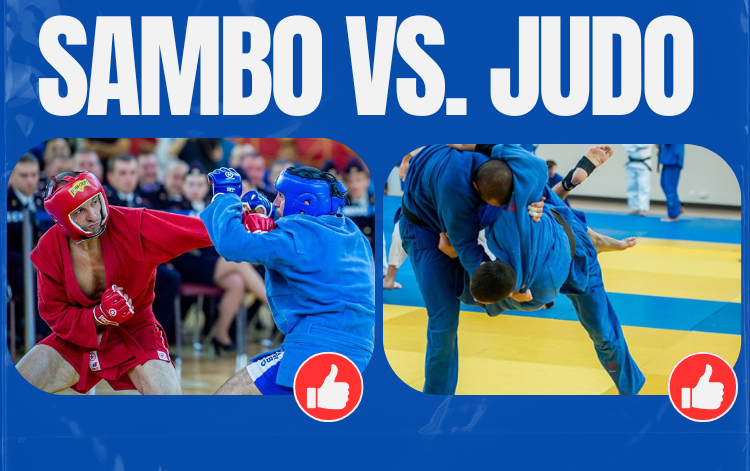
Sambo Vs Judo: Key Differences and Similarities
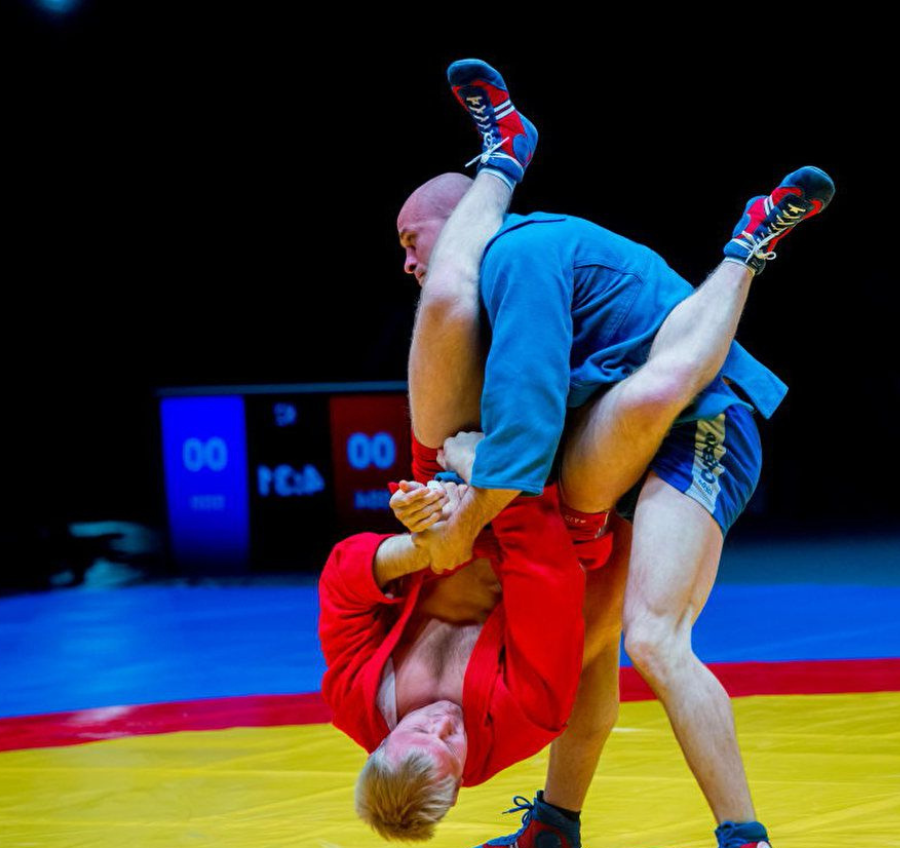
We've explored Sambo's history in detail, to see that Sport Sambo is the closest style to Judo.
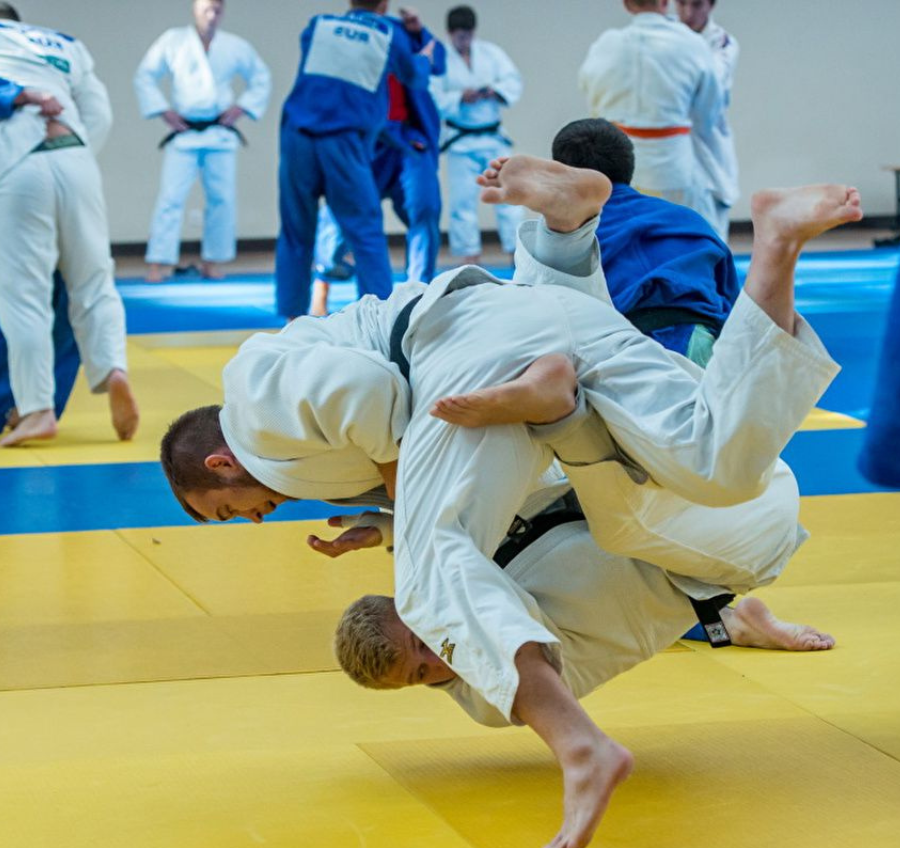
Sambo vs Judo we will breakdown how both came from some sort of Japanese JuJutsu.
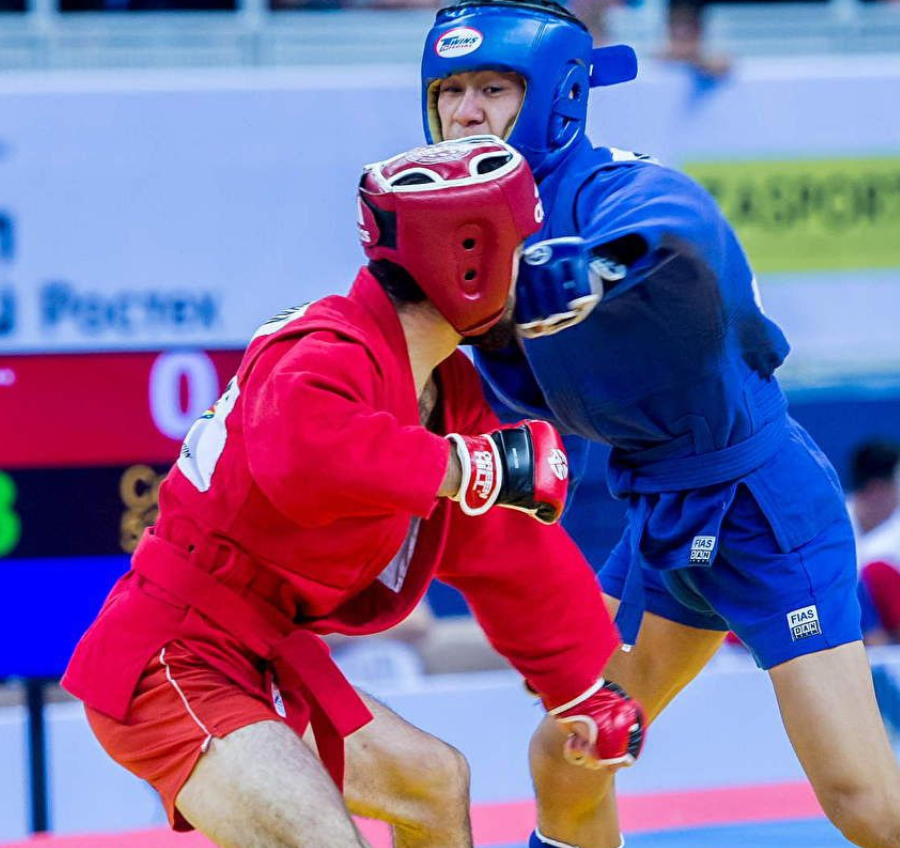
A Russian fighting style that has many different forms that we can practice.
Many martial artists find it challenging to understand the unique aspects of Sambo and Judo, two popular combat sports. I certainly experienced this confusion when I first began exploring different martial arts styles.
We’ve researched extensively to clarify this confusion. Judo was established in 1882, while Sambo evolved from battlefield experiences in Russia. Our study examined both martial arts thoroughly, looking at rules, equipment and scoring system.
We will explain what makes them similar but also how they are different, so we can see which one may suit some people over the other style. We will dive into the intricacies of these intriguing combat sports.
Japanese Martial Arts
Judo is one of many Japanese martial art styles used for self defense and competition training.
Russian Martial Arts
Sambo a Russian Martial Arts can utilized by military and civilians depending on the style.
Sambo vs Judo Training
Both are grappling styles that include many throws and submissions attacks.
Overview of Sambo and Judo
Sambo and Judo are both Grappling styles of martial arts with deep histories. They share a root in Japanese Jujutsu but ended up with different paths.
Origins and Philosophy
With Sambo vs Judo we can see that both have rich histories in different cultures. Judo, founded by Jigaro Kano in the year 1882 in Japan is a martial art that is based on utilizing the opponent’s strength against them.
Kano’s core principles were “Maximum efficiency, minimum effort” and “Mutual welfare and benefit.” These concepts molded Judo into more than just another martial art.
Sambo, unlike Judo, came from the needs of the Russian military. It combines many different wrestling styles, with Judo throws and practical combat skills. Vasili Oshchepkov, Anatoly Kharlampiev, and Viktor Spiridonov played key roles in its expansion.
Judo’s focus was on personal growth, whereas Sambo, wanted an effective military and self defense system. But both martial arts share that they value respect and discipline.
Judo is not about strength. It’s about flexibility, speed, and leverage. – Jigoro Kano
Fundamental Techniques
We’ll explore the core moves of Sambo and Judo. Both sports share some key techniques. Throws form a big part of both. In Judo, we group these into Nage-waza. Sambo uses similar throws, plus leg grabs that Judo doesn’t allow.
On the ground, Judo’s Katame-waza includes holds and locks. Sambo expands on this with a wider range of joint locks.
Striking sets Combat Sambo apart. It lets fighters use punches, kicks, and even headbutts. This isn’t part of Judo or Sport Sambo. But all forms emphasize takedowns and control. They aim to put opponents on their backs or submit them.
Each sport has its own style, but they share a focus on using an attacker’s force against them.
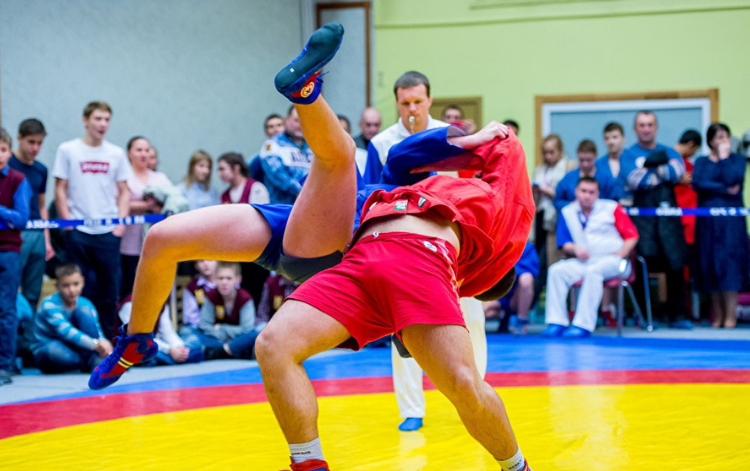
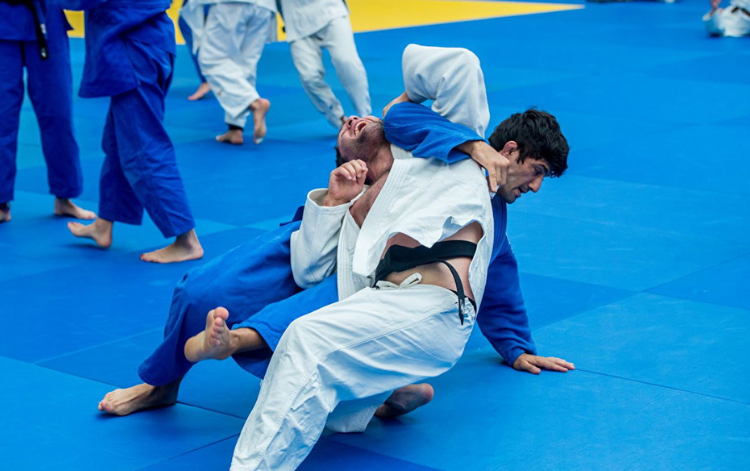
Key Differences Between Sambo vs Judo
Sambo and Judo have some major differences that completely sets them apart from each other. These have to do with their rules, scoring to the gear they use and that Sambo has different styles with the Sambo martial art itself.
Rules and Regulations
We see many differences in their rules when we look at Sambo vs Judo. Judo banned leg attacks a long time ago, so this means trying to grab the leg for a takedown is illegal. This limits which techniques Judokas need to practice when it comes to competition and prevents them from progressing and getting better at a diverse number of techniques.
But Sport Sambo doesn’t allow chokes and strangulations which are always used in Judo.
Now, Combat Sambo is a beast. It adds a lot more techniques than Sport Sambo or Judo. It allows all the throws from Sport Sambo and Judo plus striking is allowed. Combat Sambo fighters also can do strangulation techniques like in Judo. This bring Combat Sambo closer to MMA than the regular Sambo vs Judo that we are comparing. Combat sambo was officially recognized as a distinct discipline in 2001. The rules for international sambo competitions were approved in November 2006 by the XVII FIAS Congress.
The International Sambo Federation (FIAS) approved a qualification ranking system for athletes and coaches in 2018. This we believe has been their 3rd attempt.
But in the early 2000’s Master of Sport Vladislav Koulikov created a Combat Sambo belt system in the USA that we have been following here at Russiansambo.com. Check it out HERE.
Scoring Systems
When it comes to Sambo vs Judo in their scoring system, we can see that Judo has 4 main scores. This point system is always changing with Judo, so sometimes it is even hard to keep track. They had ippon, waza-ri, yuko and koka. Ippon, the highest point we can get, ends the match immediately. Waza-ari is next, with two points leading to an ippon win.
However, koka was eliminated in 2008, and then yuko was removed in 2016.
Sport Sambo has its own unique system. It’s like Judo but with key differences. Points are given for throws, holds, and submissions. A perfect throw can end the match, like an ippon in Judo but it is called Total Victory. Total Victory can also happen in case of an 8 or more-point advantage of one of the athletes (if during the bout one of the athletes gains 8 (or more) points more than the opponent).
4 points can be awarded for the following: for a throw without falling in which the opponent fell on one’s side or in the ‘half bridge’ position; for a throw with falling in which the opponent fell on the back or into the ‘bridge’ position; for a throw without falling in which the opponent in a ground position fell on the back or in the “bridge” position; for hold-down of 20 seconds.
2 points can be given for: a throw without falling in which the opponent fell on the chest, stomach, buttocks, lower back or shoulder; for a throw with falling in which the opponent fell on one’s side or into the ‘half bridge’ position; for a throw with falling in which the opponent in a ground position fell on the back or in the “bridge” position; for a throw without falling in which the opponent in a ground position fell on one’s side or in the “half bridge” position; for an incomplete hold-down lasting for more than 10 seconds.
1 point will be awarded for: a throw with falling in which the opponent fell on the chest, stomach, buttock(s), lower back or shoulder; for a throw with falling in which the opponent in a ground position fell on one’s side or in the “half bridge” position; for a throw without falling in which the opponent in a ground position fell on the chest, stomach, buttock(s), lower back or shoulder for the second and third warning issued to the opponent.
But Sambo also allows leg locks and other moves that Judo doesn’t. This makes the scoring more complex and varied.
Equipment Used
Progressing from scoring system to the equipment gear that we will need for Sambo and Judo. Since they use different equipment, this will affect how practices and competitions go.
Judo practitioners wear a uniform called a Judo Gi. It has a thick jacket, pants and belt. Sambo fighters wear a jacket called Kurtka, shorts and shoes called Sambovki. The Kurtka is tighter fitting then the Judo Gi, it has shoulder straps that are added for more grips. Also, the jacket has custom holes where we weave the belt through, so it does not keep falling off.
The Sambo shoes have a smooth sole that allow Sambo practitioners to quickly turn. Both Judo and Sambo train on mats, but Sambo mats feel softer.
In Combat Sambo, fighters also use gloves, headgear, shin guards and mouthguards. This extra gear protects them during strikes.
The right equipment doesn’t just protect you – it becomes an extension of your body in combat, says Fedor Emelianenko, a famous Sambo champion.
Sambo vs Judo Equipment
Both utilize equipment's that have to be a specific measurements for competitions.
Sambo vs Judo Regulations
Rules and regulations are in place for safety reasons and so we can know who wins.
Sambo vs Judo Scoring System
Scoring systems unfortunately chance more often then we would like to see.
Key Similarities Between Sambo and Judo
Sambo and Judo share similar core values. Both of these martial arts focus on leverage, balance, and timing in their techniques.
Principles and Goals
We see that Judo and Sambo share core principles. Both martial arts believe in minimum effort and maximum efficiency. They also focus on mutual welfare and benefit. These ideas guide how we train and compete.
Our goal in both of these arts are very similar. We try to take our opponents to the ground and control them there or submit them. Combat Sambo is the same except that strikes are allowed and you can win by knocking someone out.
Both push us to grow in skill and character.
Techniques Shared
Sambo vs Judo tells us a similar story when it comes to their techniques. Both fighting styles focus on Throws, submissions and pins. We see many shoulder throws, hip throws and foot sweeps amongst them. The goal is always to take the opponent down to the ground where they would prevail.
As the fight hits the ground, both Sambo and Judo use arm locks at the elbow. A misconception in Judo is that the common techniques that most of us learn as “shoulder locks” are illegal. The popular names like Kimura, or Americana (Paint brush) submissions are both legal in Judo and Sambo.
Sambo and Judo also teach pins to control opponents. While Judo banned leg graps years ago, Sambo allows them. This gives Sambo a wider range of takedowns.
Nevertheless, the core principle of taking the fight to the ground remains the same in both arts.
The best fighter is not a boxer, karate or judo man. The best fighter is someone who can adapt to any style. – Bruce Lee
Competition Structure
Both fighting arts have similar competition structure. They both have weight classes and age groups. The time length for each age division will vary. Adult’s men and women compete for 5 minutes in Sambo and Judo. Men and women have their own separate divisions.
Points decide most bouts, but submissions can end fights early in both sports.
Judo has a wider reach globally. It’s part of the Olympics since 1964 and is known in 204 countries. Sambo isn’t as widespread but is big in Russia and former Soviet nations. The sport lacks Judo’s strict grading system, but it does have its own competitive rankings.
Let’s look at how these sports differ in their rules and scoring next.
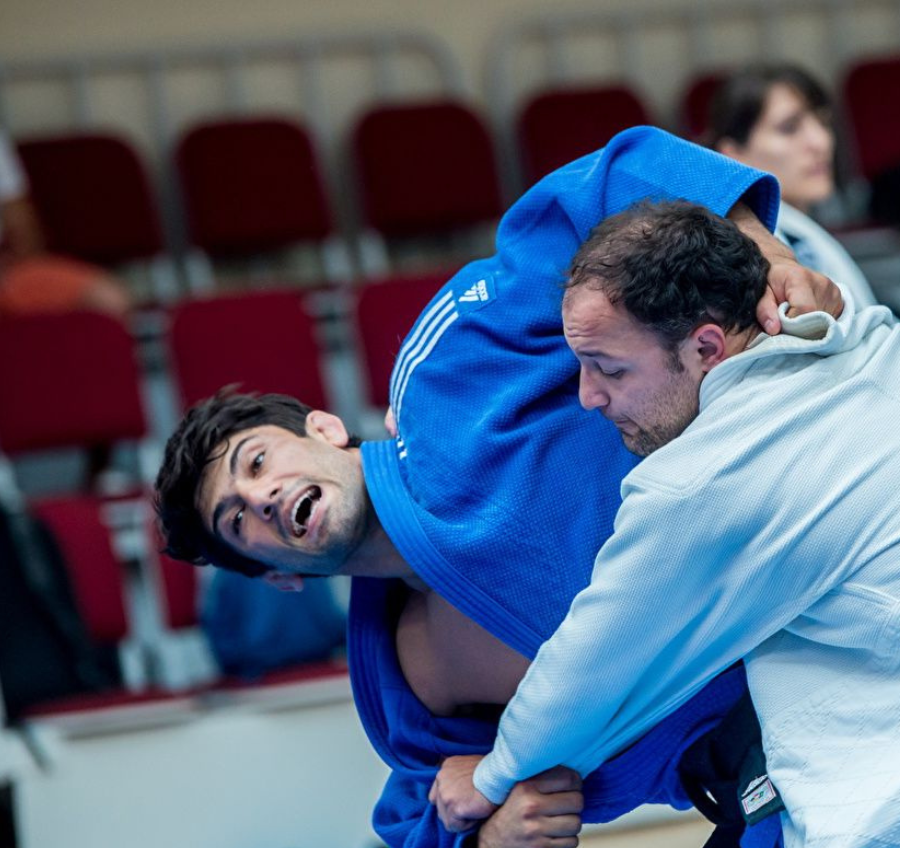
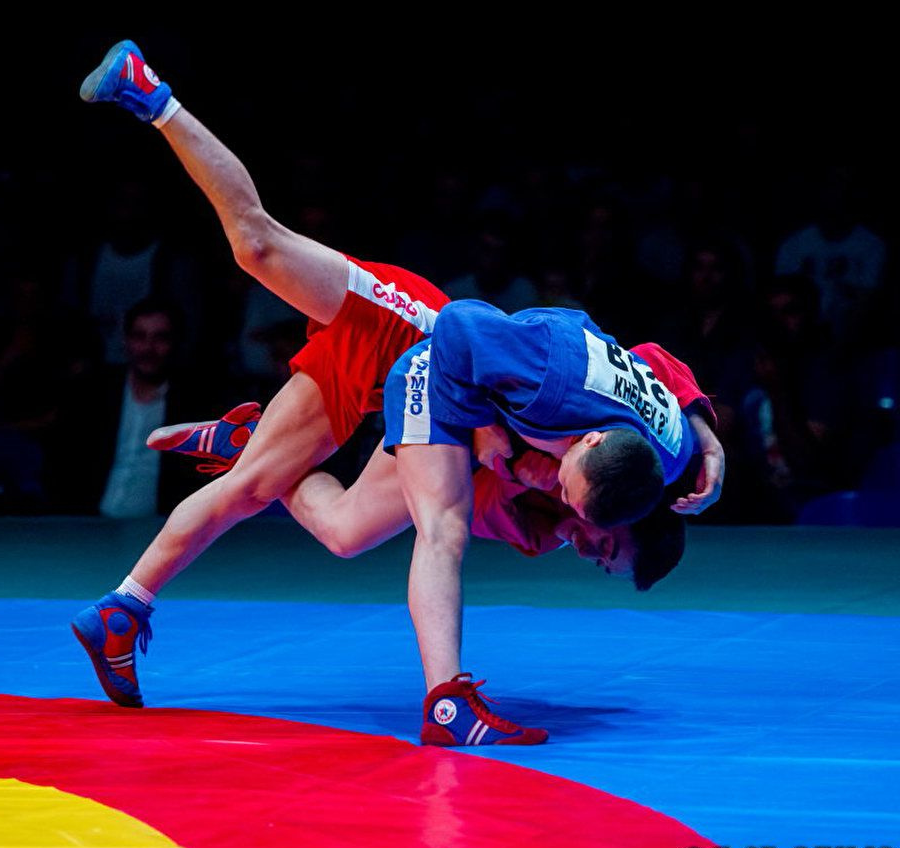
Choosing Between Sambo vs Judo
Choosing between Sambo vs Judo comes down to our interests and goals. Both have great benefits for health, self defense and competition. Which one will fit best? Keep reading to find out!
Factors to Consider
We want to make sure that anyone can read this blog and figure out what martial art is best for them when it comes to Sambo vs Judo. Let’s look at some more key factors that we can think about when trying to chose between these 2.
- Training costs: Sambo may cost a bit more than Judo. This could affect your choice if you’re on a tight budget.
- Time commitment: Judo and Sambo take time to master. Sambo might take more time, if we decide to take Combat Sambo since it has all the techniques of Judo and Sport Sambo but it also includes striking techniques. Both need regular practice.
- Global reach: Judo has millions of fans and practitioners worldwide. Sambo is big in Russia and nearby countries but very small in the US.
- Ranking system: Judo uses kyū and dan ranks. Sambo lacked a strict grading system but has competitive rankings. Now we can get ranked through Russiansambo.com ranking system.
- Self-defense focus: Both arts work well for self-defense depending on the gym we choose. Sambo may have more street-fighting moves since Judo switched years ago to mainly focus on a sport.
- Olympic dreams: Judo is an Olympic sport so if it is a goal to be in the Olympics, Judo is the right choice. Sambo isn’t in the Olympics, but it could be one day, which may matter if we want to compete at that level.
- MMA crossover: Both arts help in MMA. Sambo’s rules allow more moves used in MMA fights since Combat Sambo has is pretty much MMA with a jacket.
- Learning curve: Judo can be harder to learn at first if we have a wrestling background. Sambo may feel more natural to some people.
- Uniform costs: Judo and Sambo need a special gi. If training Combat Sambo we will need a bigger budget.
- Local clubs: Check what’s near online. We may find more Judo clubs than Sambo gyms in the US.
These factors can guide your choice. Next, we’ll wrap up our talk on Sambo vs Judo.
Suitability for Self-Defense or MMA
We can see through MMA history that both Judo and Sambo offer amazing techniques for Self Defense and MMA.
Sambo and Judo both offer great skills for self-defense and MMA. We’ve seen time and time again how Sambo’s mix of throws, strikes, submission attacks makes it a top choice for MMA fighters. Stars like Islam Makhachev, Khabib Nurmagomedov, and fedor emelianenko have shown its power in the octagon.
Judo’s focus on throws and control also proves useful in real fights and MMA bouts. Only a few Judokas have made it big in MMA.
For self-defense, both arts teach how to handle an attacker. Judo’s “gentle way” helps us use an enemy’s force against them. Sambo’s wider diversity of moves gives more options in tight spots.
In the end, the best choice comes down to our goals and what feels right for us. Going through the “factors to consider” section will help narrow it down.
Sambo vs Judo Conclusion
Your selection depends on your goals as mentioned. If you have Olympic aspirations, Judo might be the right choice. If you prefer MMA-style training, Sambo could be a good fit. Whichever you choose, you’ll develop great awareness, discipline, strength and self-defense skills.
Are You Ready to Embark on Your Sambo Martial Arts Journey?

If you have been searching for Combat Sambo Near Me and have not found one you should join our online academy!
Here’s why…
Russiansambo.com was created by Lucas Morley and Valdislav Koulikov.
Between both, Vlad and Lucas have over 30 years’ experience with Combat Sambo, Judo and Brazilian Jiu Jitsu. They have both travelled all around the world learning the best of Martial Arts and perfecting their Sambo Wrestling.
Vlad learned his Sambo directly from the source at Sambo-70 in Russia. He is also a Black Belt in Brazilian Jiu Jitsu and a 2nd degree Black Belt in Judo. Lucas is a 3rd degree Black Belt Judo, Gracie Jiu Jitsu 2nd degree Black Belt under Rickson Gracie’s student Luiz Palhares, and a Black Belt coach in Combat Sambo under Vladislav Koulikov where the belt system was born. Coach Lucas is also a certified Boxing coach, teaching Boxing for the last 8 years.
Contact Us Now for Seminars, Privates or Long Distance Training!
Were available for commessions and collaborations and to hear from you
- [email protected]
- 772-626-6500