



Sambo vs Brazilian Jiu-Jitsu (BJJ): Which One is Superior for Mixed Martial Arts?
Find out which grappling style reigns supreme in MMA: Sambo vs Brazilian Jiu-Jitsu (BJJ). Discover the key differences and see how they perform in the octagon.
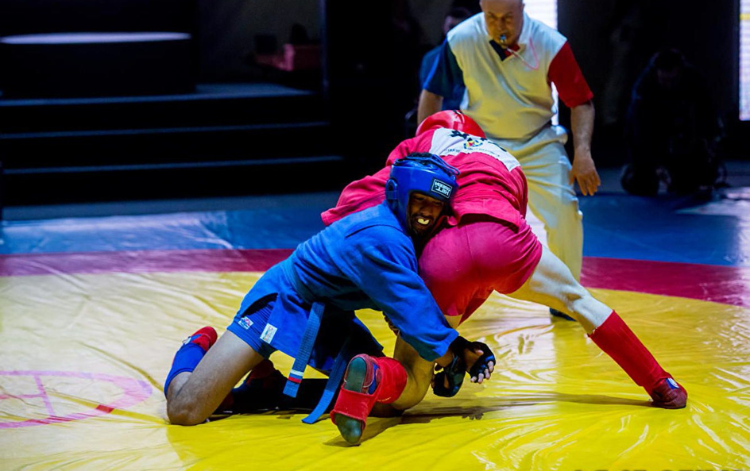
Combat Sambo training for MMA goes hand in hand since they both cover striking and gorund work.
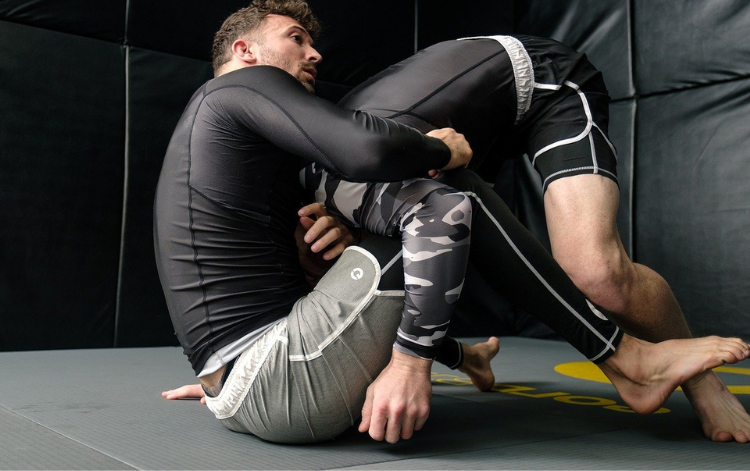
No-Gi BJJ would be more realistic for MMA when comparing Sambo vs Brazilian Jiu Jitsu.
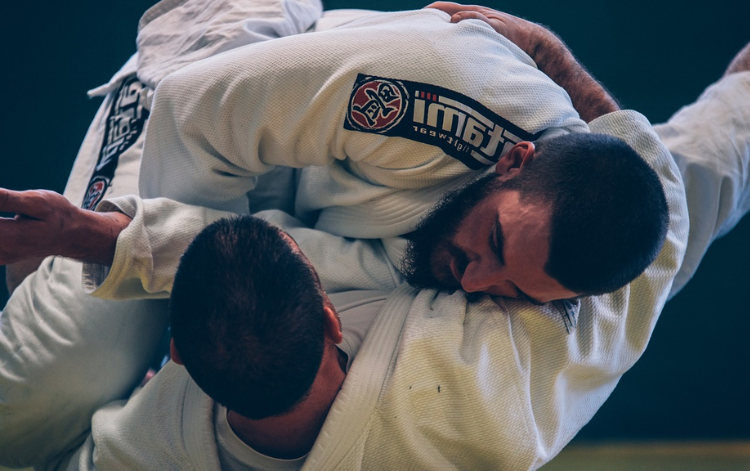
Training with a Gi specifically for MMA would not be the best when comparing Sambo vs BJJ.
For years many people have wondered which martial art in the Mixed Martial Arts (MMA). It is a simple question that has interested many of us, as we do our best to find out which is superior Sambo vs Brazilian Jiu-Jitsu.
It is not a easy choice to make. Both are strong grappling styles with its own strength and weaknesses that can puzzle even seasoned fighters.
We at Russiansambo.com understand why this is such a complex discussion. This is why it took us doing some thorough research in the combat sport arena to find some answers. A interesting fact that we found out was that in a recent poll done by another website, Sambo actually received 63.7% of votes when compared to BJJ for MMA supremacy.
This is quite noteworthy for the Sambo community!
Don’t worry, we’re going to provide more information so that everyone can make their own conclusion. In Sambo vs Brazilian Jiu Jitsu a break down of the key differences between these two fighting systems will be performed to the best of our knowledge. We’ll dive into their training methods, techniques and how they perform in the octagon.
We are about to address the mysterious Sambo vs Brazilian Jiu Jitsu topic comprehensively!
Origins of BJJ
The Japanese moved to Brazil in the Early 20th century and taught Judo to many Brazilians.
The Gracie Family
The Gracie family is known as one of the top Brazilian families to train with the Japanese.
Combat Sambo Origins
Began in the Soviet Union mixing many styles of Wrestling, Judo, Kickboxing and Karate.
Historical Background and Development
BJJ and Sambo have a rich background. Both fighting styles grew from different roots but at the same time share a common ground.
BJJ was created in Brazil but that was due to the Japanese moving to Brazil in the early 1900s. Sambo began in the Soviet Union as a mix of Wrestling, Judo and other striking arts.
Origins of Brazilian Jiu-Jitsu
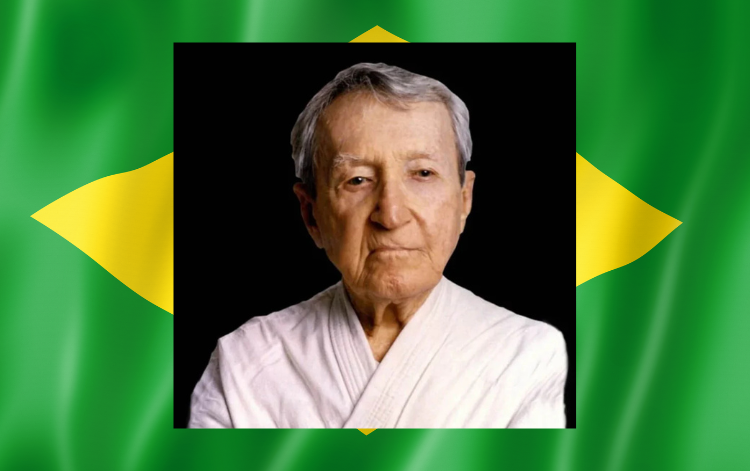
Brazilian Jiu Jitsu (BJJ) began early in the 20th century in Brazil. One of the main Japanese judokas that often comes up was Mitsuyu Maeda who moved to Brazil in 1914. But he was not the first or the last judoka to move there and teach Judo to many Brazilians. Maeda taught Judo Carlos Gracie who then taught it to his brothers.
The Gracies changed some things up with the techniques, focusing more on ground fighting and submissions. But they did not invent anything new. We can see the old footages of the Gracies fighting and we can see that it is very basic and the same techniques that we see in Kosen Judo.
The Gracie family did play a key role in BJJ’s growth since they were so good at marketing and promotions. They focused on using what they learned in Judo for real fights and challenge matches. This practical approach shaped BJJ into an effective combat style. By the 1920s and 1930s, BJJ had become its own unique martial art.
As practitioners, we often reflect on this rich history during our training.
BJJ is not about being the strongest or fastest. It’s about using technique to overcome physical disadvantages. – Helio Gracie
Development of Sambo
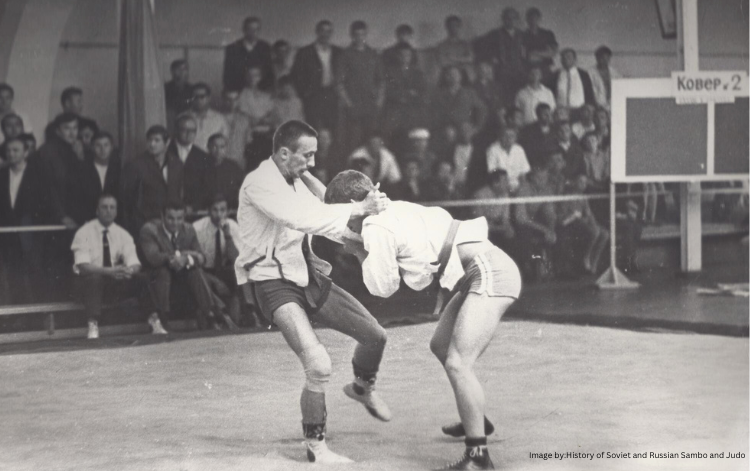
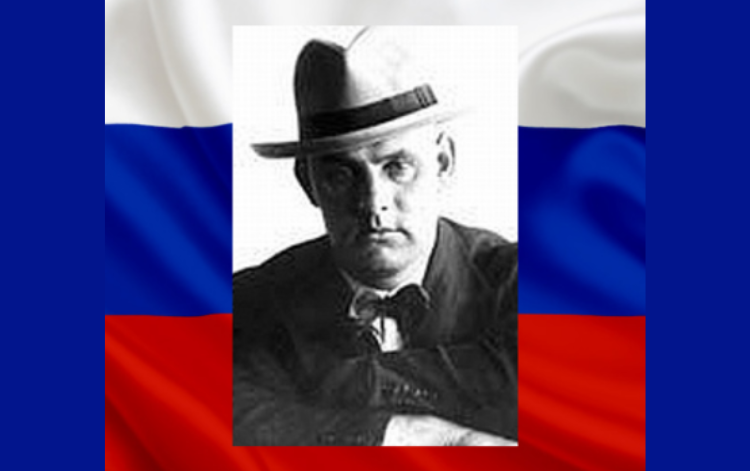
While BJJ came directly from a Japanese background, Sambo came from Judo as well but with many other resources. We saw Sambo’s birth in the Soviet Union, thanks to two key characters: Viktor Spiridonov and Vasili Oshchepkov.
These men with their unique abilities and diverse martial arts background blended all of their fighting styles to create a unique combat system. Spiridonov, a World War 1 veteran with limited mobility from combat, focused on leverage-based techniques learned from, freestyle wrestling, Greco-Roman wrestling, many Slavic wrestling styles, and Japanese jujutsu.. Oshchepkov, a Judo expert, added throws and ground fighting to the mix and also taught Karate to the elite.
Sambo grew pretty quickly, and it became the official sport of the Soviet Union by 1938. This change of status increased its credibility as it spread across the region. Sambo, a Russian acronym means “self-defense without weapons.” It combines elements from various wrestling styles, judo, karate, kickboxing and other martial arts.
Today, we see Sambo in two main forms: Sport Sambo, Beach Sambo and Combat Sambo. Sport Sambo focuses on throws and submissions, while Combat Sambo adds strikes to the mix which is the one that most closely resembles MMA.
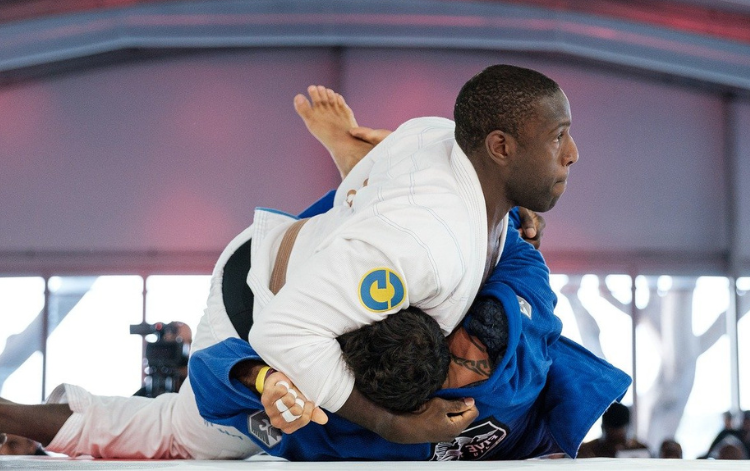

Sambo vs Brazilian Jiu Jitsu Philosophy and Core Principles
BJJ and Sambo have unique philosophies that shape the way they practice. These core ideas guide how both Combat Sambo and BJJ fighters train and compete in each art.
Core Philosophies of BJJ
BJJ’s main philosophy is centered around the idea that a weaker and smaller person can defend against a stronger and bigger attacker that has no experience. Focusing on technique and leverage instead of size and strength.
This approach made BJJ standout among other fighting styles.
Our practice stresses the importance of ground fighting and submissions. We spend about 90% of our time working on ground techniques. Submissions like chokes, shoulder locks and armbars are our main tools for ending fights. These methods let us control opponents without causing lasting harm if we chose to do so.
Position before submission – a key principle in BJJ training.
Fundamental Principles of Sambo
Moving forward from BJJ’s focus, let’s look into Combat Sambo’s foundational principles. Sambo combines grappling and striking, making it great for self-defense and specifically, great for MMA fighting. We see a strong focus on leg locks and top fighting control.
These techniques give Sambo fighters a edge in the mixed martial arts world and close quarters combat.
Sambo also puts emphasis on explosive takedowns and throws. We can see that many Sambo techniques aim to end fights fast. The style mixes elements from judo, wrestling, and other striking martial arts.
By having a mixture like this, creates a well-rounded fighter and fighting system. Sambo’s approach helps fighters handle various situations in MMA or real-life defense.
BJJ Philosophies
Take the opponent to the ground and finish the fight with a submission and maintain control at all times in sport scenario.
Combat Sambo's System
Involves striking techniques, quick throws and takedowns to secure top position in a MMA or Self Defense fight.
Gracie Jiu Jitsu Ideas
Unlike BJJ, it focuses on a real street fight scenario where the attacker does not know much ground fighting.
Techniques and Skills Comparison
Brazilian Jiu Jitsu and Combat Sambo each bring unique set of skills to the mat. We’ll break down their key moves and compare how they stack up in MMA.
Ground Fighting in BJJ
We excel at ground fighting in BJJ. Our focus is on using our legs from different types of guards to control opponents. This makes up 90% of our strategy. We have perfected techniques like the open guard and closed guard where we wrap our legs around an opponent’s waist.
From there, we have many different options to attack with chokes and joint locks.
BJJ ground fighting is all about controlling a specific position before submission. We work to get on top or take the back. These spots give us the edge to finish the fight. Our goal? To make the other guy tap out.
We do this through armbars, triangle chokes, and other slick moves.
Position is everything in BJJ. Without it, you’re just hoping for luck. – Royce Gracie
Combat Sambo Throws and Takedowns
While BJJ stands out on the ground when there are no punches involved, Sambo takes a different approach. Combat Sambo’s throws and takedowns are something to witness. We’ve seen countless times Sambo athletes lift and slam opponents with ease. These techniques dictate where the fight ends up.
Sambo’s toolkit includes body slams and arch throws. These moves pack a punch and can stun foes. Gripping the belt is a key part of Sambo’s takedown game. It gives fighters extra control and power.
Leg locks must be mentioned since it is one of the types of moves that have made Sambo stand out amongst BJJ over the years. They’re not just for when the fight hits the ground, they are also utilized from standing positions to take the fight to the ground and end it in a submission hold. Our time on the mats has shown us how these skills can change a fight in seconds.
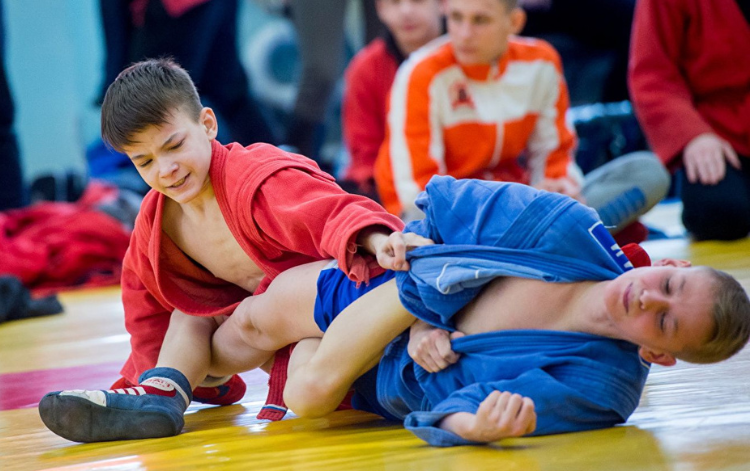
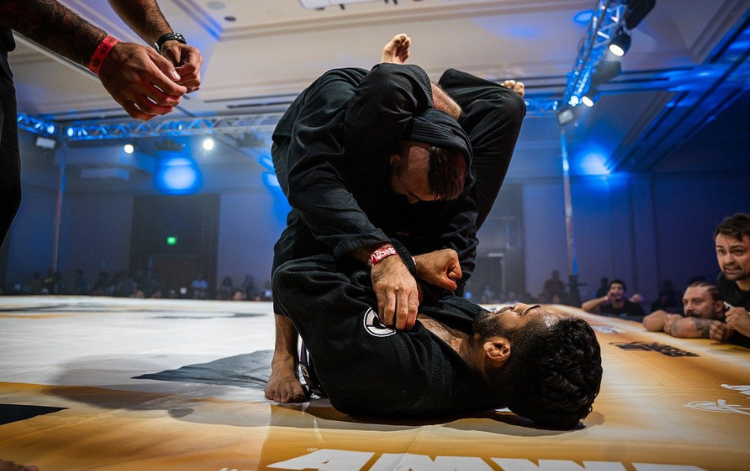
Sambo vs Brazilian Jiu Jitsu Submission Techniques
From Sambos takedowns and throws, we now dive into the submission techniques in Brazilian Jiu Jitsu and Sambo. Both arts shine in this area, but with key differences. BJJ focuses chokeholds, joint locks, and fluidly changing positions on the ground.
We see this in techniques like the guillotine choke and rear-naked choke. Sambo, on the other hand, bans chokes in sports competitions but are still allowed in Combat Sambo. It relies more on leg locks and arm submissions.
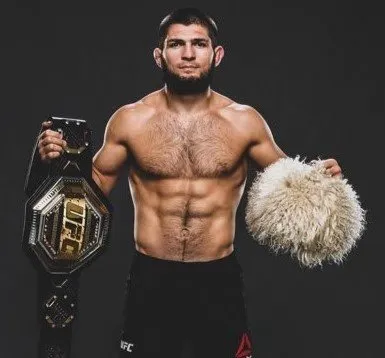
In the MMA world these skills have proven to be essential. Fighters like Khabib Nurmagomedov blend Sambo’s takedowns with wrestling top ground control. This combo often leads to fight-ending in ground and pound or submissions. Yet, each art has its limits.
BJJ lacks stand-up techniques when it comes to striking. While Sport Sambo’s no-choke rule can leave gaps in our defense game. For a well-rounded game, Combat Sambo is no doubt the choice for many fighters.
Striking Elements Unique to Sambo
We have covered how Sambo vs Brazilian Jiu Jitsu both have great submission techniques, but Combat Sambo brings a sole twist to the mat. We’ve seen time and time again how Sambo’s striking elements set it apart in MMA.
Punches, knee strikes, and kicks give Sambo fighters an edge. When these moves are integrated seamlessly with their grappling skills, a powerful well-rounded fighting style is created.
Combat Sambo doesn’t just stop there, it’s not just punches and kicks, headbutts are allowed too. These moves can catch opponents off guard in a real fight. We’ve noticed that Sambo’s striking focus makes it great for self defense too.
It teaches quick, effective ways to handle threats on your feet before taking the fight to the ground.
BJJ Submissions
BJJ uses chokes and joint locks, while Sambo favors leg locks and arm submissions.
Sambo vs BJJ
Sambo’s powerful throws pair with BJJ’s fluid ground transitions in MMA would be ideal.
Combat Sambo Striking
Combat Sambo striking blended with wrestling and submissions, is a hard to be stopped.
Training Methods and Practices
While diving into Sambo vs Brazilian Jiu Jitsu we see that both use tough workouts to build skill and strength. Want to know how they train? Keep reading!
Typical BJJ Training Session
We start our BJJ training with a warm-up. This gets our blood pumping and muscles loose. We do light jogging, hip escape drills, bear crawls, forward rolls, technique specific drills, stretches, and basic movements. Next, we practice techniques.
Our coaches show either a new move or re visit a old one. We partner up and drill the moves repetitively.
The coach might add a sequence to the technique or go into live sparring – or “rolling” as we call it in the Brazilian Jiu Jitsu world. We get to test our skills against resisting partners. It’s tough but fun. But remember in BJJ there is no striking, so takedowns and submissions only. We usually end with some cool-down stretches.
A typical session can last anywhere from 60-90 minutes. Now, let’s look at how Sambo athletes train.
Sambo Training Regime
Unlike BJJ’s focus on ground work only, Sambo training mixes things up. We blend stand-up striking, throws, and ground fighting. Our workouts are tough and varied as we often start with a warm-up that includes rolls, breakfalls, handstand walks, cartwheels and roundoffs like in gymnastics.
Next, we move on to technique practice. Depending on what the coach is covering specifically, throws, takedowns, striking and submissions could be taught. Most don’t add more the 3-4 chains of techniques, so students don’t get lost. We repeat these techniques over and over.
Sparring is a big part of our training too. Once we have practiced the moves we spar so it helps us test our skills in real-time.
Importance of Conditioning in Both Styles
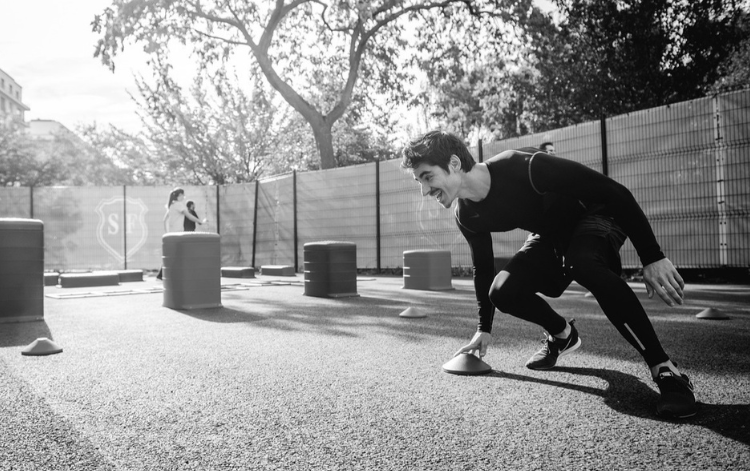
Moving from Sambo training, it is noticeable how the top fighters in both sports see how conditioning is key. We found that a stronger body makes a better athlete. In Sambo vs Brazilian Jiu Jitsu, they bush hard to build stamina and strength.
Conditioning will help us recover faster and last longer in fights.
Good shape in the fight scene isn’t just nice to have, it is a must! We can see regularly that tired fighters make more mistakes. So mix, weights, cardio, and sport specific training in our workouts for better results. It is not easy, but it pays off on the mats.
Our students who train hard off the mat often have the upper hand during fights.
Use of Drills and Sparring
We love incorporating drilling and sparring in BJJ and Sambo. This process helps us build build muscle memory and test our skills in real-time. Drilling allows us to practice a move correctly repeatedly until it becomes second nature.
Sparring forces us to put our techniques to the test against a resisting partner.
BJJ offers lots of chances to spar, which we find super helpful. We can try out new techniques and see what adapts to our body. In both styles, partnering up drills and sparring keeps training effective but most importantly, fun.
It’s a great way to grow as fighters and stay sharp. Next, let’s look at the gear we use in BJJ and Sambo.
Combat Sambo Drills
Combat Sambo drills will involve striking and grappling techniques that seamlessly flow together.
Sport Sambo Drills
These drills will be a mixture of what you would see in a Judo and Brazilian Jiu Jitsu training session.
Brazilian Jiu Jitsu Drills
Focusing mainly on ground fighting. Sweeps, reversals and attacks that flow perfectly together.
Sambo vs Brazilian Jiu-Jitsu Equipment and Uniforms
BJJ and Sambo have different gear needs. BJJ fighters wear a gi or rashguard, while Sambo athletes use a kurtka and shorts. These outfits affect how each sport is played and the moves used.
BJJ Gi and No-Gi Variations
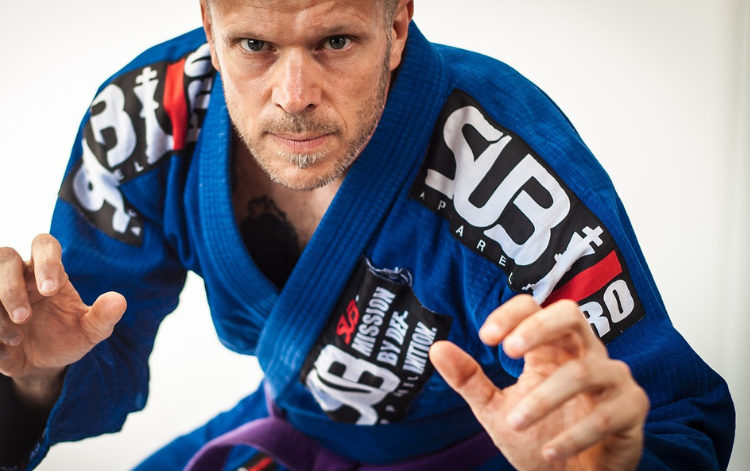
We love the variety in Brazilian Jiu-Jitsu (BJJ). BJJ comes in two main types: We can train in Gi and No-Gi. In Gi BJJ, we wear a thicker uniform then Sambo uniform. This outfit lets us grab the lapel and sleeves and use it in our moves.
No-Gi BJJ is different. We wear light clothes like rashguards and shorts mainly. Without the heavy jacket, we focus more on wrist control and body grips like wrestling.
Both styles have their own feel and similar techniques. Gi BJJ is slower and more tactical. No-Gi is more explosive, faster and slippery. Many of us train in both to be well-rounded grapplers. Each type sharpens different skills that help in mixed martial arts (MMA). But No-Gi would be better for MMA if we had to pick 1 of them to train in.
Sambo Uniform Requirements
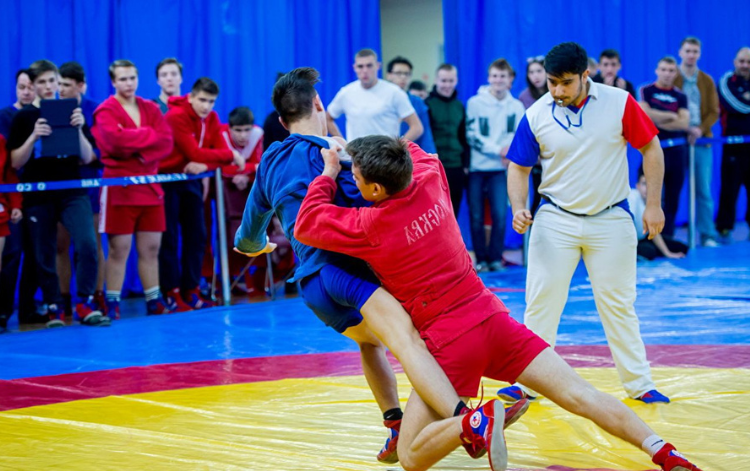
Now, let’s turn our focus from the Jiu Jitsu uniform to Sambo’s unique uniform. Sambo gear stands out from other martial arts outfits since it has more gear that is needed. It includes a jacket, shorts, and wrestling type shoes called Sambovki.
This combination might seem weird at first because it is different, but it serves a purpose.
The jacket is like a tighter and many times lighter version of a judo gi top. It’s made of sturdy cotton and has a belt loop holes to keep the jacket closed. The shorts are usually red or blue and reach mid-thigh. Wrestling shoes protect feet and give good grip on the mat.
Some folks find this mix of clothes strange or not comfy. But for Sambo fighters, it’s part of the sport’s identity. Each piece plays a role in the grappling and throwing techniques used in Sambo.
Equipment and Accessories Used
We’ve seen a lot of gear in our time on the mats. BJJ and Sambo both need specific stuff to train and compete. In BJJ, we use a gi – that’s the thick cotton uniform with a jacket, pants, and belt.
For no-gi BJJ, we swap that out for rash guards and shorts. Sambo fighters wear a kurtka (jacket), shorts, and special shoes. Both sports use mouthguards and cups for protection.
Utilizing resistance bands, grappling dummies, foam rollers and crash pads are common in both BJJ and Sambo gyms. We often use these tools to drill moves without a partner or work on our flexibility. Some schools that have more of a competitive background have climbing ropes or gymnastic rings to build grip strength and mobility.
Crash mats are a must for practicing throws safely and save our bodies from repetitive impact. And don’t forget about the trusty timer that keeps our rounds on track during sparring or drilling sessions.
Grappling Crash Mats
These are seeing in not only BJJ and Sambo, but Wrestling and Judo gyms. Great for safety!
Resistance Bands
When we want to practice throws but do not have a partner, these bands are great to mimic throws.
Fight Round Timer
Crucial for those training for competition with a specific time limit allows you to manage our pace.
Belt Systems and Progression
BJJ and Sambo use different ways to show a fighter’s skill level. We’ll explore how these systems work and what they mean for fighters… Keep reading to learn more about the unique paths to mastery in each art.
BJJ Belt System
We’ve got a cool system in BJJ to show how far you’ve come. It starts with white belts for newbies and goes up to red for the real masters. Most folks know about white, blue, purple, brown, and black belts.
But there’s more! After black, you can get red and black, then red and white, and finally just red. It’s a long road for those that are fully dedicated. It usually takes about 7-10 years to reach black belt level. Each belt means you’ve learned new skills and gotten better.
Our belt system isn’t just for show. It helps us track our progress and set goals that we can aim for and keep us motivated. White belts learn the basics and we usually call it the survival belt, while blue belts start to get the hang of things and chain more moves together. Purple belts are pretty skilled and that is when we recommend starting MMA if we want to test our skills fully. Brown belts are close to “mastery”.
Black belts? They’re the real deal, with deep knowledge of BJJ and mostly shows their dedication to the art.
The higher coral and red belts are for those who’ve dedicated their lives to the art and it comes with age and more time. It’s a journey that takes effort, sweat, and lots of practice on the mats.
Sambo Ranking System
Sambo’s ranking system has honestly been very difficult to adopt. We now see a belt system that looks a bit like BJJ’s through RussianSambo.com
It starts with white and moves through yellow, orange, green, blue, purple and brown. The black belt sits at the top.
This new setup helps fighters track their progress better. It takes about seven years to earn a black belt in Sambo, so it is still a lot of hard work!
Sambo’s new belts bring it more in line with other martial arts. This change might make Sambo more appealing to newcomers. It gives clear goals to aim for as fighters improve their skills.
FIAS aslo have a belt system but does not have a set step by step curriculum.
Next, let’s look at how BJJ and Sambo stack up in competitions.
Sambo vs Brazilian Jiu Jitsu Competitive Aspects
BJJ and Sambo have a unique set of rules in competition. These rules are how fighters would train to compete and win. If we want to really learn each style we need to know more about how these sports stack up, right? Keep reading!
BJJ Competitions and Rules
BJJ competitions have became a big deal in our grappling world. We’ve got major events like the World Jiu-Jitsu Championship and ADCC that call out the top talent in BJJ. These contests follow strict rules to keep things fair and safe.
Matches often last 5-10 minutes depending on our belt level, with points awarded for takedowns, sweeps, guard passes and dominant position control. Submission tap outs end the match immediately which is the ultimate goal.
Rules can vary between gi and no-gi events. Gi matches allow certain grips on the uniform, while no-gi focuses more on body control. Illegal moves include slamming opponents, small joint locks, and spinal attacks.
Refs have to keep a close eye on the action to enforce these rules. Next up, let’s look at how Sambo competitions compare to BJJ competitions
Sambo Competitions and Rules
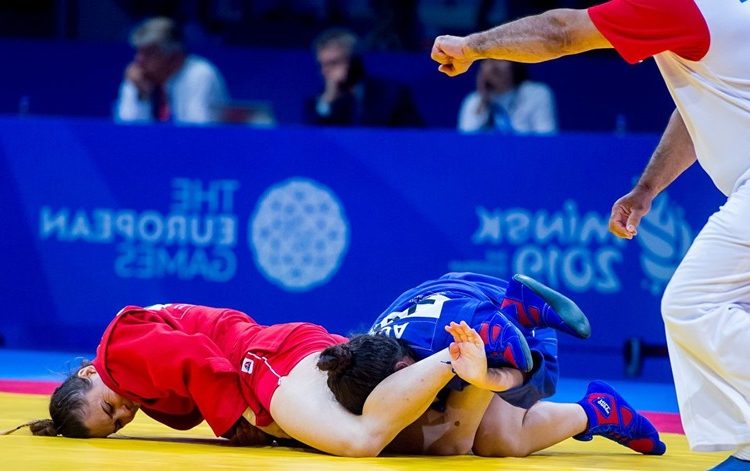
We’ve got the scoop on Sambo competitions and rules as well. Sambo matches are all about racking up points or submission wins. Just like Brazilian Jiu Jitsu, submissions would be the ultimate goal. Fighters need to keep scoring throughout the match to come out on top through throws or pins.
The World Sambo Championships is where the best of the best show off their skills.
Rules in Sambo are pretty straightforward. Fighters aim to throw their opponent, pin them down, or make them tap out. Each move in these categories earns different points. Throws can get you up to four points, while pins might score two. But we can also win with a clear throw!
The goal? Finish a submission or get more points than your rival before time runs out. It’s a game of strategy and skill – perfect for those who love a good challenge.
Scoring Systems in Both Disciplines
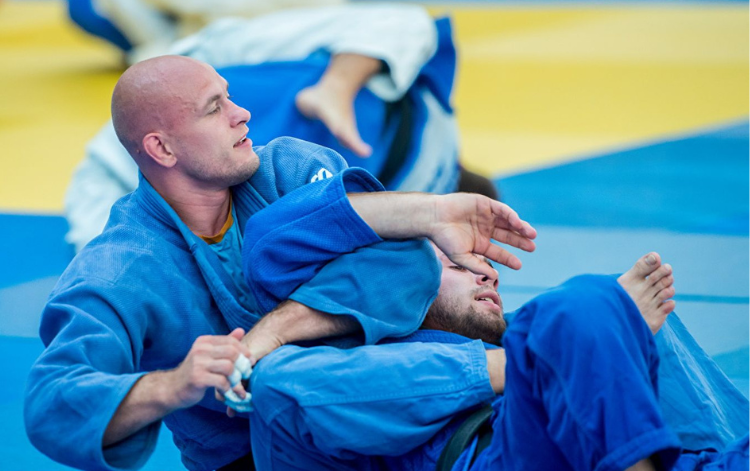
Now that we’ve covered some Sambo competitions and rules, let’s look at how points are scored in both Sambo and Jiu Jitsu. These scoring systems shape the way athletes train and fight to win.
In Sambo, fighters rack up points over time with throws and pins. There’s no quick win other then submission win, it is good got to keep scoring. BJJ, on the other hand, has a unique point system. Takedowns, sweeps, guard passes and dominant positions like knee on belly, mount and back takes all earn points.
But here’s the kicker: in BJJ, most fights end fast with a submission or slowly raking points. This makes for some thrilling finishes! We’ve seen many matches where one fighter is down on points but pulls off a last-second armbar or choke for the win.
It’s this mix of strategy and sudden victory that keeps us on the edge of our seats during BJJ matches.
Major Tournaments and Events
We’ve seen and will always see some fierce battles in major BJJ and Sambo events. The World Jiu-Jitsu Championship is the Super Bowl of BJJ just like the ADCC no gi events, drawing top grapplers from around the globe. It’s a gi-clad showdown of technique and skill unless it is ADCC.
For no-gi fans, ADCC is the gold standard. This invite-only event pits the best submission wrestlers against each other in thrilling matches. Wrestlers with some submissions have also done fantastic things there.
Sambo has its own big stage which is also the World Sambo Championships. Here, athletes in their distinct jackets, shorts and shoes showcase explosive throws, pins, and submission attacks. The Pan Jiu-Jitsu Championship is another key BJJ and Sambo tournament, offering a mix of gi and no-gi divisions for BJJ and full uniform for Sambo.
These events are where legends are made and new stars emerge in the grappling world.
World Stage Championships
Witness elite grapplers at the BJJ and Sambo World Championships prove that they are the best.
Pan American Championships
Catch top athletes in the Pan American Championships where new champions rise!
Internation Championships
Don't miss the International BJJ & Sambo Championships—technique and power on full display!
Self-Defense and MMA Applications
BJJ and Sambo both shine in self-defense and MMA. These arts pack a punch in real-world fights and pro bouts.
Effectiveness of BJJ for Self-Defense
We’ve found BJJ to be a solid choice for self-defense. It shines in one-on-one fights, especially if they go to the ground. BJJ unfortunately only focus on sport. If we train Gracie Jiu Jitsu, then this will teaches us how to control the distance in a fight and attacker to end a fight without throwing punches.
This can be great for avoiding legal trouble since the goal is to do minimal damage to the aggressor.
But BJJ or Gracie Jiu Jitsu isn’t perfect for every situation. It doesn’t cover striking or dealing with multiple attackers. That’s why many of us mix BJJ or Gracie Jiu Jitsu with other styles for a more complete self-defense toolkit.
Still, the control and submission skills from BJJ or Gracie Jiu Jitsu give us a big edge in many real-world scenarios.
Sambo’s Self-Defense Techniques
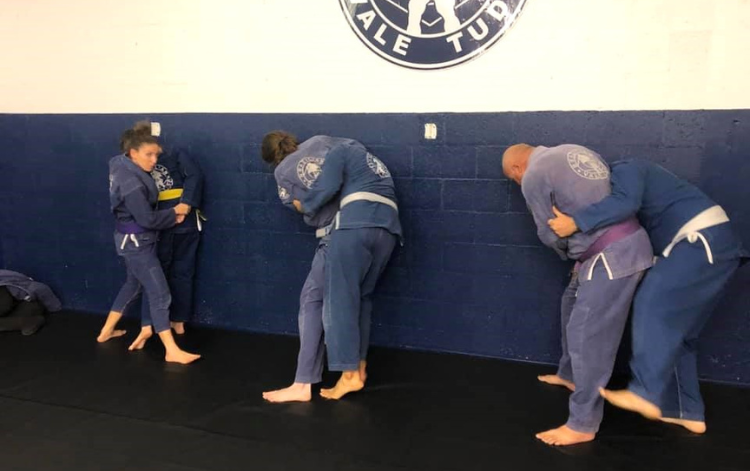
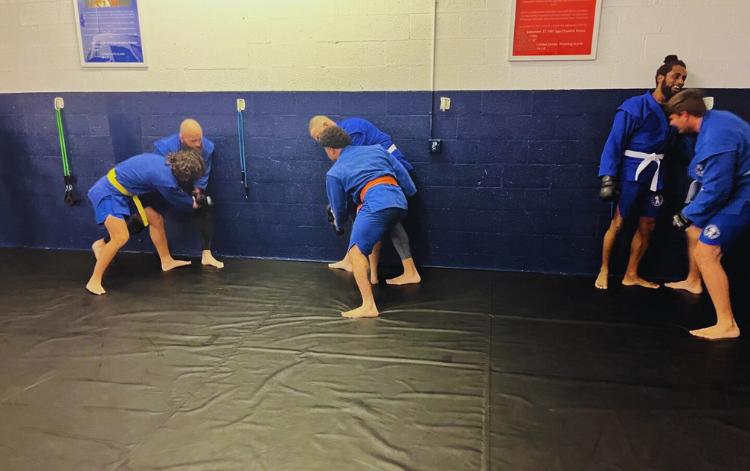
While BJJ shines on the ground, Sambo takes self-defense to another level. Combat Sambo’s techniques blend striking and grappling, making it ideal for real-world fights. So Sport Sambo would be equivalent to BJJ lacking some techniques. We’ve seen firsthand how Combat Sambo’s diverse moves can stop attackers fast.
Sambo teaches quick takedowns and powerful throws. These moves can end a fight before it hits the ground. But Sambo doesn’t stop there. It also includes joint locks, chokes, and even leg locks.
These submissions work well in close quarters. Plus, Combat Sambo’s striking skills give fighters an edge in standup battles and learning how to deal with attackers in striking scenarios. This mix of skills makes Sambo a top choice for those who want to be ready for anything.
BJJ in MMA
Moving from Sambo’s self-defense techniques, let’s explore BJJ’s role in MMA. BJJ has made a huge impact in the cage thanks to the Gracie family for challenging other martial arts styles in the USA back in the early 90s. We’ve seen it become a key part of many fighters’ toolkits. It’s the second most effective martial art for producing UFC champs.
That’s pretty impressive!
BJJ black belts like Demian Maia and Charles Oliveira have shown how powerful ground skills can be with their extensive submission game. They use chokes and joint locks to finish fights fast. In the cage, Jiu Jitsu helps fighters control their opponents on the ground.
This gives BJJ fighters ways to end fights without striking. This makes BJJ a must-have skill for any serious MMA fighter.
Sambo in MMA
While BJJ has made its mark in MMA in the early years of the UFC, Sambo has also carved out a significant niche in the late 2000’s. We’ve seen Sambo’s impact through fighters like Khabib Nurmagomedov, Fedor Emelianenko and Islam Makhachev. These athletes have shown how Sambo’s combination of striking and grappling is a game-changer in the octagon for modern fighters.
Sambo’s edge in MMA comes from its well-rounded approach. Many athletes that have a base in sambo have been mixing these techniques for years. Blending takedowns, submissions, and striking techniques. This combo makes Sambo fighters tough to predict and defend against for those fighters with less diversity in their game.
We’ve noticed that Sambo’s leg locks and throws often catch opponents off guard. Plus, the sport’s focus on quick transitions helps fighters control the pace of a match which resemble Combat Sambo matches.
BJJ In MMA
Witness the art of submission as BJJ fighters showcase their ground game skills!
Sport Sambo In MMA
Blending throws and grappling for a dynamic edge inside the cage for a explosive style.
Combat Sambo In MMA
Strikes meet submissions in this fierce, all-around fighting style! Only one in the world.
Sambo vs Brazilian Jiu Jitsu Cultural Influence and Popularity
It is no secrete that BJJ and Sambo have left their mark on the world stage on the mats and the octogen. BJJ’s rise in the US due to the Gracie family early success against striking only martial artists has sparked a global grappling craze, while Sambo remains a source of national pride in Russia as it slowly grows in the USA.
BJJ’s Influence Worldwide
We’ve seen BJJ grow big and fast around the world. It’s now in many countries, with schools popping up everywhere. This growth started after Royce Gracie won the UFC in 1993. That win showed how good Gracie Jiu Jitsu is in real fights.
Now, people from all walks of life train in BJJ and Gracie Jiu Jitsu. It’s not just for fighters anymore. Lawyers, doctors, and kids all roll on the mats to challenge themselves and learn combat skills. BJJ has changed how people think about martial arts and self-defense.
BJJ’s reach goes beyond the gym atmosphere. It’s in movies, TV shows, and video games. Even the U.S. military trains in Gracie Jiu Jitsu Combatives. The sport has its own culture, with special terms and customs.
Gi and no-gi training offer different ways to learn. BJJ keeps growing, and we don’t see it slowing down anytime soon whether you train BJJ for sport or Gracie Jiu Jitu for Self Defense and MMA.
Sambo’s Cultural Impact
Sambo has left a big mark on Russian culture. It’s more than just a sport – it’s a source of national pride. Since 1938, when it became the Soviet Union’s official sport, Sambo has shaped how Russians view strength and skill.
We’ve seen its influence spread beyond the mat into movies like John Wick and Salt, books, and even video games like the Street Fighter.
Sambo’s reach goes far past Russia’s borders now too. It’s caught on in places like the U.S., where MMA fans love its mix of throws and ground work. Fighters like Fedor Emelianenko and Merab Dvalishvili have shown the world what Combat Sambo can do in the cage.
This, just like the Gracie’s back in the day is what has sparked interest in learning Sambo techniques among martial artists worldwide.
Growth and Popularity Trends
As Sambo’s reach expands, we’re seeing exciting growth in both BJJ and Sambo. These arts are gaining fans fast. BJJ’s popularity has soared in the U.S., with many new schools opening each year.
A typical BJJ gym costs about $160 per month to join. Sambo is growing too, but mostly in Russia and nearby countries. We’ve noticed more MMA fighters using Sambo moves in big events like the UFC.
This exposure is helping both sports attract new students who want to learn these effective techniques.
We’re thrilled to see how social media and online videos have boosted interest in grappling arts. Fans of both can now watch matches, learn moves on YouTube and other platforms, and connect with other enthusiasts easily.
This has led to more tournaments, seminars, and training camps for both Sambo and BJJ. As these trends continue, we expect to see even more growth in the coming years. The future looks bright for these dynamic martial arts!
Choosing Between Sambo Vs Brazilian Jiu Jitsu
Picking between BJJ and Sambo isn’t easy. Your goals and interests will guide your choice.
Both styles offer unique skills for MMA and self-defense. Find a gym that fits your needs and try classes in each to see what clicks.
Factors to Consider Based on Personal Goals
We’ve seen many fighters weigh their options between BJJ and Sambo. Each style has its strengths, and your choice should match your goals. Are you aiming for MMA success? BJJ’s ground game shines in the octagon but only if you train in a gym that teaches BJJ for MMA or a Gracie Jiu Jitsu gym.
But if you want street-ready skills and cage-ready, Combat Sambo’s mix of throws and strikes might serve you better. Your body type matters too. Shorter, stockier folks often excel in Sambo’s explosive movements.
Taller, lankier types may find BJJ’s leverage-based techniques more natural.
Time and money play a role in your decision. BJJ schools are more common in the U.S., which means easier access and potentially higher costs. Sambo training can be harder to find, possibly requiring more travel or higher fees.
We’ve found that trying both can help you decide. Many gyms offer free trials – take advantage of these to feel out each style firsthand. Your gut feeling after a few classes can guide you to the right fit for your martial arts journey.
Finding the Right School or Gym
After thinking about our goals, let’s focus on finding the perfect training spot. The right school or gym can make or break our martial arts journey. We need to check out a few places before we decide.
Look for clean mats, skilled teachers, and a good mix of students. A great gym will have both newbies and pros training together.
Money matters too – BJJ costs about $160 a month in the US, while Sambo runs around $99-150. We should visit during class times to see how things run. Watch how the instructor teaches and how students interact.
The vibe should feel welcoming and safe. A good school will let us try a class or two before we commit. This helps us know if it’s the right fit for our goals and budget.
Conclusion
We’ve explored the strengths of Sambo and BJJ in MMA. Both styles offer unique benefits for fighters. Sambo shines with its leg locks and takedowns. BJJ excels in ground control and submissions.
Your choice depends on your goals and fighting style. Pick the art that fits you best – or learn both to become a well-rounded fighter.
Are You Ready to Begin on Your Combat Sambo Martial Arts Journey?

If you have been searching for Combat Sambo Near Me and have not found a gym near you, you should join our online academy!
Here’s why…
Russiansambo.com was created by Lucas Morley and Valdislav Koulikov.
Between both, Vlad and Lucas have over 30 years’ experience with Combat Sambo, Judo and Brazilian Jiu Jitsu. They have both travelled all around the world learning the best of Martial Arts and perfecting their Sambo Wrestling.
Vlad learned his Sambo directly from the source at Sambo-70 in Russia. He is also a Black Belt in Brazilian Jiu Jitsu and a 2nd degree Black Belt in Judo. Lucas is a 3rd degree Black Belt Judo, Gracie Jiu Jitsu 2nd degree Black Belt under Rickson Gracie’s student Luiz Palhares, and a Black Belt coach in Combat Sambo under Vladislav Koulikov where the belt system was born. Coach Lucas is also a certified Boxing coach, teaching Boxing for the last 8 years.
Contact Us Now for Seminars, Privates or Long Distance Training!
Were available for commessions and collaborations and to hear from you
- [email protected]
- 772-626-6500