





Combat Sambo vs Sport Sambo: Make The Right Choice!
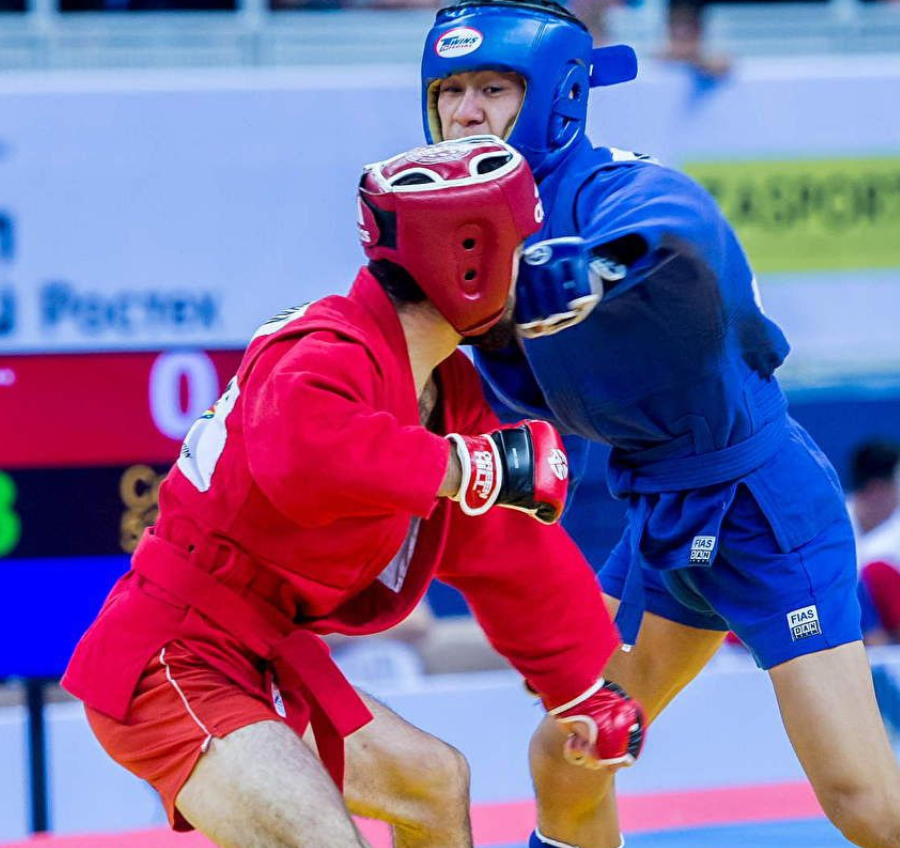
Many are unsure of Combat Sambo vs Sport Sambo. But if we want strikes, Combat is best.

Sambo became a recognized Soviet sport in and its nations pride as thier main fighting system.
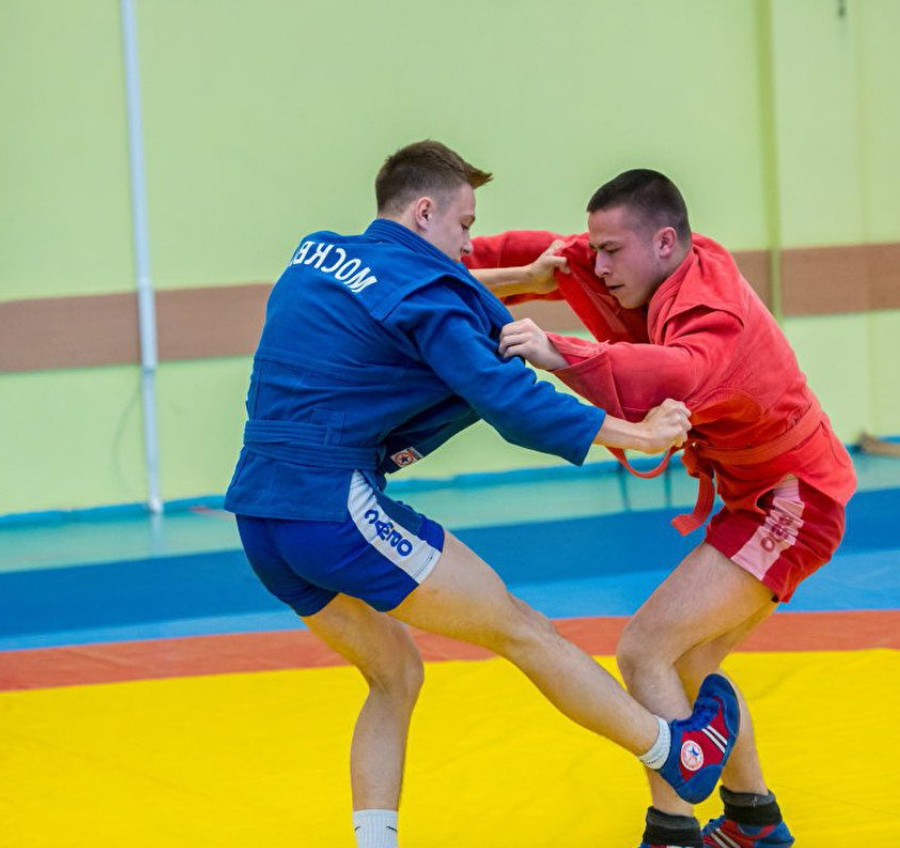
Explosive submissions from Judo and other fighting styles combined into Sport Sambo.
When it comes to choosing a martial art, we know how overwhelming it can feel with so many options available, each offering its own unique history and techniques. As a team passionate about martial arts, we believe Sambo—a Russian martial art—deserves a closer look for anyone exploring their options on Combat Sambo vs Sport Sambo.
Officially recognized as a sport in the Soviet Union in 1938, Sambo has a fascinating history and has grown into two primary forms: Combat Sambo and Sport Sambo. While these styles share the same roots, they cater to different goals and practices that might help us make the best decision on which to train.
We’ve spent time diving into the origins and evolution of Sambo, and we’re excited to share what makes it stand out from other martial arts. By exploring its unique features, we hope to help you determine if Sambo aligns with your martial arts journey.
Combat Sambo Training
Offers real life self-defense techniques and a more complete fighting style.
Russian Martial Arts
Sambo a Russian Martial Arts can be a great choice for self defense or mixed martial arts.
Sport Sambo Training
Master techniques like Judo, Wrestling and Brazilian Jiu Jitsu combined into one.
Understanding Combat Sambo
Combat Sambo, a Russian fighting style, combines elements of judo and wrestling with striking techniques from many styles. Combat Sambo focuses on real-world self-defense situations and equips practitioners with skills for hand-to-hand combat in the streets or in the cage.
Combat Sambo Origins and Core Principles
Combat Sambo started in the early 20th century. Its roots are deep in Russia. Three men, Vasili Oshchepkov, Viktor Spiridonov, and Anatoly Kharlampiev, played big parts in its creation.
They mixed judo with local fighting styles from Russia and other places. This mix made a new way to fight without weapons called Sambo. The name comes from “SAMozashchita Bez Oruzhiya,” which means self-defense without weapons.
The heart of Combat Sambo is about readying fighters for any situation. It includes strikes, hand-to-hand combat moves like throws and holds, and ground fighting techniques similar to those seen in Brazilian Jiu-Jitsu and judo.
Fighters learn to defend against attacks and how to strike back using hands, feet, knees, and elbows.
Combat Sambo molds warriors by teaching them more than just how to fight; it teaches them how to survive.
Combat Sambo’s Techniques and Training Methods
Combat Sambo mixes punches, kicks, and grabs making it a tough sport. It uses moves from judo, jiu jitsu, and wrestling to take down opponents. Fighters learn to hit hard and fast while standing or on the ground.
They train in throwing people off balance and locking their joints.
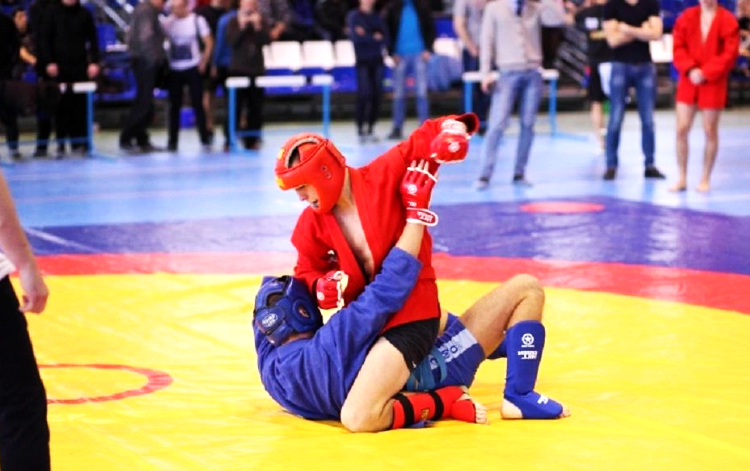
Training includes wearing shin pads, gloves, and headgear for safety. This gear helps fighters get ready for real fights without getting hurt badly. Practice sessions focus on striking techniques like boxing punches and karate kicks.
They also work on defense against other fighters’ attacks. Wrestlers use takedowns from freestyle wrestling to control their rivals on the mat.

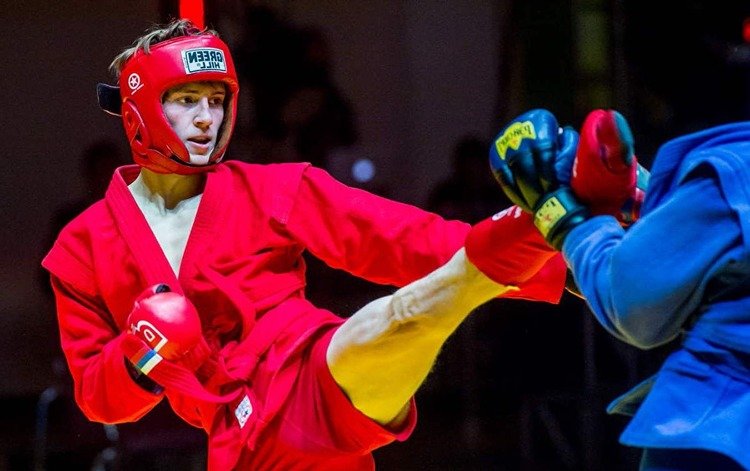
Understanding Sport Sambo
Sport Sambo, like many other martial arts with many rule sets, focuses on competitive opportunities and athletic development. Participants practice techniques within a controlled environment, preparing for sport-specific matches that involve throws and submissions.
Sport Sambo’s Origins and Core Principles
Sport Sambo gives those looking to transition from Judo, Wrestling or BJJ a perfect match. It combines judo and wrestling moves. This style focuses on throws, holds, and ground work. Unlike Combat Sambo, it doesn’t include strikes or weapon training.
Sport Sambo came from judo and traditional folk styles of wrestling. It aims to be a competitive sport rather than for self-defense.
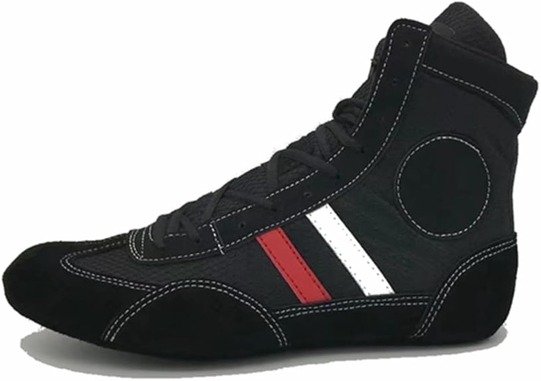
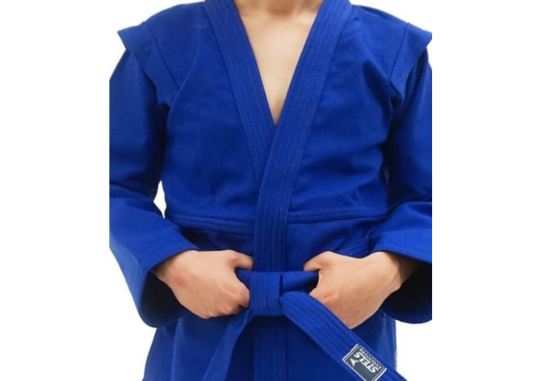
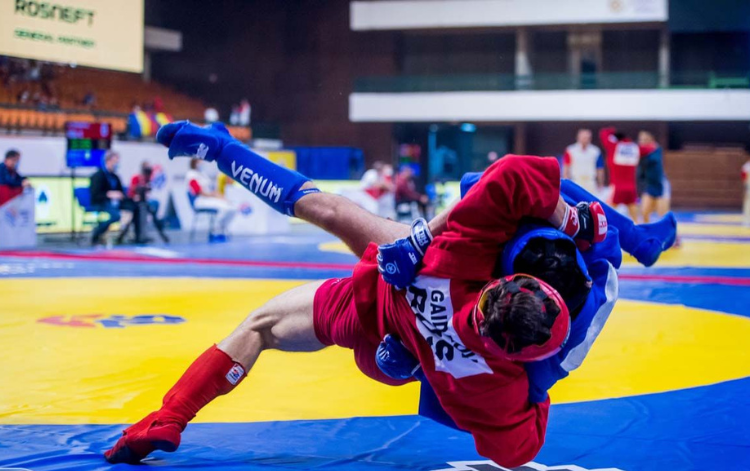
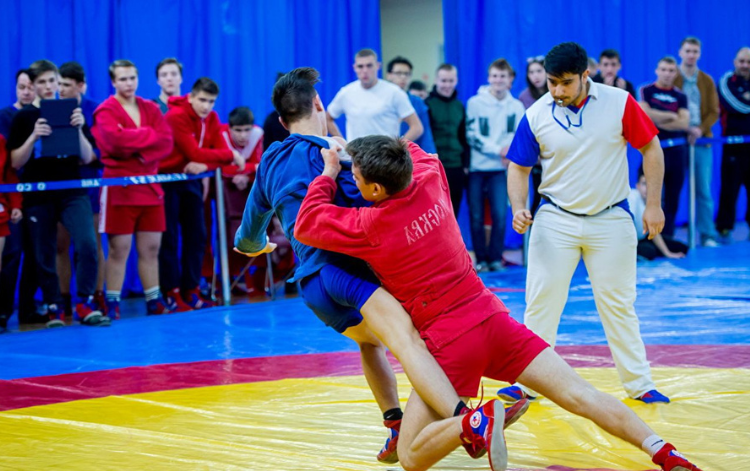
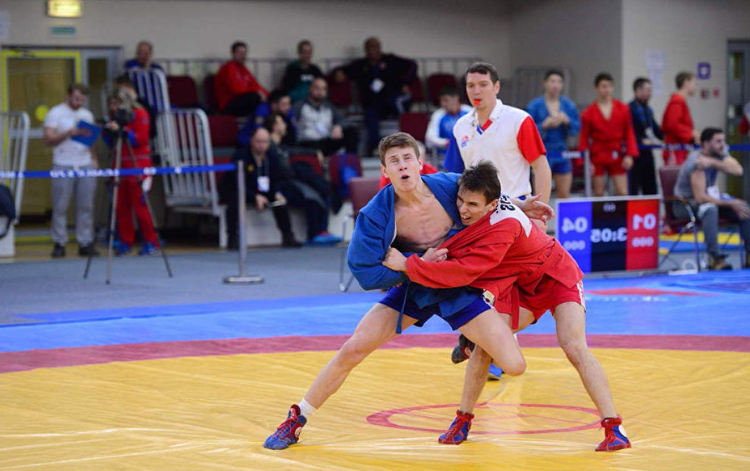
Practitioners wear special outfits including a jacket called a kurtka, shorts, and shoes known as Sambovki. They compete in red or blue uniforms to tell them apart easily during matches.
Moves like upper body and lower body joint locks are allowed, but no chokes are allowed. Now let’s look at how people train in Sport Sambo.
Sport Sambo Techniques and Training Methods
Transitioning from the basic principles of Sport Sambo, we take a closer look into the training and competition methods of fighters involved in this amazing sport. Sport Sambo places emphasis on ground fighting techniques with a strong concentration on wrestling skills including takedowns and reversals.
Those practicing Sambo work on mastering these techniques to achieve points during tournaments. Training consists of vigorous practice sessions where competitors participate in organized wrestling matches.
These training practices help in refining their capacity to perform complex moves quickly and smoothly. In Sport Sambo, each action is a step towards victory.
Athletes spend just as much time enhancing their grip power, timing and skill as these physical characteristics are critical in gaining an edge over adversaries. Along with physical training, mental preparation has a substantial influence on an athlete’s achievement.
Coaches often include strategy lesson plans that instruct fighters on predicting their opponent’s forthcoming move and providing an effective counterattack. As the World Sambo Championships take place yearly in different months close to the end of the year, those practicing Sambo intensify their training efforts several months prior, intending to hit their prime precisely on time for the competition.
Combat Sambo's Techniques
A beautiful mixture of Judo, Wrestling, Karate and Kickboxing gives Combat Sambo the edge.
Sambo's Early Development
Created for real-life combat, Sambo merged various styles, giving athletes and civilians a choice.
Sport Sambo
Techniques
A seamless integration of throws and ground fighting adding attacks and counters for sport athletes.
Key Differences Between Combat Sambo vs Sport Sambo
The main differences between Combat Sambo and Sport Sambo include their techniques allowed in rules and regulations, uniforms and protective gear, as well as competition format and point scoring. While Combat Sambo emphasizes practical self-defense techniques highly used in Mixed Martial Arts (MMA), Sport Sambo focuses more on athletic development and competitive opportunities in a more controlled environment.
Rules and Regulations
Combat Sambo and Sport Sambo follow different rules. In Combat Sambo, fighters can strike each other and use more aggressive moves like headbutts. This style is close to mixed martial arts but focuses on keeping the fight moving.
Fighters have only 20 seconds to pin and score or 60 seconds to submit their opponent once they hit the ground. This rule keeps the action fast-paced.
Sport Sambo looks more like judo but lets athletes do leg locks, which are not allowed in traditional judo contests. Chokeholds are off-limits here. Both styles follow FIAS regulations set in 2005, making sure fights are fair and safe.
Athletes wear special gear, including jackets called kurtkas in combat sambo for protection and to help perform techniques.
Protective Gear and Uniform
In Combat Sambo, fighters need a lot of protective gear. They wear shin guards, gloves, mouthguards and headgear to keep safe during fights. Their uniform is the same for Sport Sambo athletes but without shin guards, gloves, mouthguards and headgear.
All competitors dress in a jacket known as a kurtka. They also have wrestling-style shorts and special shoes called Sambovki. The outfits are either red or blue.
Sport Sambo is different because athletes do not wear as much protective gear. They still wear the kurtka and similar shorts, but they don’t need the extra items like shin guards or headgear.
This makes the sport less about hard hits and more about skillful moves, submissions and holds.
Scoring and Competition Format
After looking at the gear and uniform, let’s talk about how scoring and competition work in sambo. Sport Sambo gives points for throws, takedowns and pins. This means if a fighter can take their opponent down to the mat well, they score points.
Combat Sambo is very similar but you can also win fights by knockout and referee stoppage due too to many blows taken.
The World Sambo Championships, held every November, showcase this with top sambists from around the globe competing.
With events such as the first World Cup in 1969 paving the way, sambo continues to grow internationally as both a sport and martial art form.
Combat Sambo Rules
Combat Sambo mixes grappling, submissions, and striking but it also allows for headbutts.
Self Defense Rules
There are no rules in Self Defense Sambo. This is not practiced for sport but for survival.
Sport Sambo Rules
Sport Sambo competitions focuses on takedowns, throws, pins, and submissions.
Benefits of Practicing Combat Sambo
Practicing Combat Sambo strengthens self-defense skills while improving awareness, increases physical fitness, and raises mental toughness due to its rough nature. It offers a comprehensive system of defense and offensive techniques appropriate for real-life street situations.
Enhanced Self-Defense Skills
Combat Sambo since it was made for the Soviet Red Army enhances real self defense skills to teach solid self-protection moves. This style allows people to hit and get hit which makes it closer to a real fight and is fiercer. Fighters train with gloves, shin pads, and headgear for extra protection.
This gear helps them practice real fight situations safely.
People learn to defend against strikes better in Combat Sambo than in Brazilian Jiu Jitsu. The training focuses on keeping safe while facing punches or kicks.
In Combat Sambo, you prepare for both the expected and unexpected in a confrontation.
Physical Fitness and Conditioning
Training in Combat Sambo makes you fit. The exercises and moves need a lot of energy. You will run, jump, and do many drills like cartwheels and roundoffs just like gymnastics. This makes your heart strong and builds muscle.
You also learn to move fast for a long time without getting too tired. Wearing shin pads, gloves, and headgear adds to the workout. Your body learns to work hard while wearing gear which will add weight to your body and hinder some mobility.
This prepares you for real fights in the MMA world and boosts your stamina.
Mental Toughness and Discipline
Combat Sambo will require both discipline and mental strength. Sambo athletes must remain focused and determined during continuous combat training situations and drills. Combat Sambo demands strong mental resilience from its athletes, preparing them to handle any high-stress street confrontations with nonstop determination.
This rigorous training regimen aims to enhance the practitioner’s ability to maintain focus and composure in challenging combat scenarios.
Benefits of Practicing Sport Sambo
Practicing Sport Sambo will help us improve our athletic abilities, offers competitive opportunities throughout the world, and enhances skills in a controlled environment. Read more to know about the benefits of practicing Sport Sambo in our Russian Sambo blog.
Athletic Development
When comparing Combat Sambo vs Sport Sambo we will see that both contribute to athletic development in different ways. Sport Sambo enhances submission grappling and wrestling takedown skills, providing opportunities for competitive growth and athleticism.
On the other hand, Combat Sambo’s focus on self-defense techniques and mental discipline also furthers athletic progress. Both fighting styles offer skill building techniques and exercises with unique physical challenges that promote overall fitness.
The importance on practical combat skills in Combat Sambo complements the technical athleticism refined through Sport Sambo practices. Identifying these characteristics can help athletes come up with a customizable training program to help them towards their specific fitness goals while exploring the world of sambo martial arts.
Competitive Opportunities
Stepping away from athletic development to competitive opportunities, it is important to understand the possibility for engaging in sambo events. Sport sambo presents many competitions locally and globally.
As Sport Sambo continues to grow, we will see many events hosted by different countries. With the World Sambo Championships taking place annually, Pan American Games, International competitions and Nationals, there are plenty of venues for practitioners to test their skills and compete at an international level.
Additionally, in 1993 with FIAS splitting into two sections – “East” under Russian control and “West” under U.S. and Western European control – this has widened competitive access by creating different avenues through which athletes can engage in sport sambo at a global scale.
Skill Enhancement in a Controlled Environment
Sport Sambo’s due to its structured environment allows for athletes to have a safer style to improve their skills. The focus on submissions and wrestling, with a scoring system for pins, takedowns and sweeps, offers a controlled setting for skill advancement.
Sport Sambo further enhances this environment by integrating strangulations and chokes into training, but not during competitions since we saw it is not allowed. Furthermore, the uniform worn during training, including the kurtka, wrestling-style shorts, and protective shoes called Sambovki, contributes safety while allowing for skill enhancement.
After Skill Enhancement in a Controlled Environment, the Next Step is Choosing the Right Sambo Style for You.
Sport Sambo Benefits
Sport Sambo boosts strength, agility, discipline, and focus while mastering grappling techniques!
Competitive Opportunities
Sport Sambo, has grown to multiple International events per year throughout the world.
Sambo Training Skills
Sambo training has grappling, submissions, and takedowns, building strength and speed.
Choosing the Right Sambo Style To Train
To make the right choice we need to consider personal goals and interests when choosing between Combat Sambo vs Sport Sambo. Assess martial arts background, your physical condition, fitness level, and the availability of training facilities and coaches near us to make an informed decision.
Assessing Personal Goals and Interests
When it comes to choosing between Combat Sambo vs Sport Sambo, our personal goals and interests are of up most importance. If we are coming from a striking background in martial arts Combat Sambo may align with our aspirations. Also, if we are interested in becoming a MMA fighter, Combat Sambo is the best without a doubt.
Conversely, if we are coming from a Judo, Wrestling, and Jiu Jitsu background and we have not been a striker ever, then Sport Sambo could be the right choice. Evaluating these martial art styles should take into account what we aim to achieve physically and mentally through training, as well as assessing where our strengths lie.
If we come into Sambo with no martial arts background, then we just have to think if we are ok with getting punched and kicked or not. Taking into account these elements will assist us in making an informed decision about which style best fits our needs.
This self-assessment process can lay a strong groundwork for starting on this martial arts journey.
Next Heading: “Considerations for Physical Condition and Fitness Level”.
Considerations for Physical Condition and Fitness Level
When deciding whether Combat Sambo vs Sport Sambo is right for us, it’s crucial to assess our current fitness level and conditioning. Combat Sambo, with its rigorous training methods as a complete fighting system, contributes significantly to physical fitness and conditioning.
The continuous combat moves in this style enhances overall physical conditioning since we are not just grapplers, but strikers as well. On the other hand, Sport Sambo focuses on grappling submissions and wrestling takedowns, which can help enhance athletic skills within a controlled environment.
Next Step: Availability of Training Facilities and Coaches.
Availability of Training Facilities and Coaches
After assessing our personal physical condition and fitness level, we might wish to seek training facilities that provide the appropriate style and equipment. Combat Sambo practitioners often require protective gear such as shin pads, gloves, and headgear during their training sessions, so we have extra costs.
When seeking the best coaches, it’s important to consider finding professionals with experience in either combat or sport Sambo techniques to effectively lead your practice. With Sambo growing so fast, we need to double check our instructors’ credentials.
Make sure that the coach is not just a affiliate of another gym where they don’t actually have a real Sambo background and only have a Judo and Jiu Jitsu background and now they put a Kurtka on and teach Sambo.
How to Get Started with Either Combat Sambo vs Sport Sambo
To start practicing Combat Sambo or Sport Sambo, find a training facility offering the style we prefer can be tough. Get the essential gear and equipment required for your chosen sambo style to begin your training effectively after locating the right gym. Most gyms have their own equipment to choose from.
Finding a Sambo Gym Near Me
To start training in Combat Sambo or Sport Sambo, it’s crucial to find a facility that caters to your chosen style. In the case of Combat Sambo, look for places that provide protective gear such as shin pads, gloves, headgear and are teaching authentic Sambo.
For both styles, we can’t stress enough that we find a gym with actual experience in Sambo and not just another grappling style that added Sambo techniques. We keep seeing BJJ and Judo gyms add Sambo to their curriculum, but the coaches never actually trained Sambo with a Sambo coach.
Our Russian Sambo Blog has many schools that we can choose from that has authentic Sambo. If we can’t find a gym close to us, then the next best option is to try our online curriculum and start with the Yellow Belt Test.
Essential Sambo Gear and Equipment
Combat Sambo involves a kurtka, wrestling-style shorts, and protective shoes known as Sambovki. Furthermore, practitioners require protective gear like shin pads, gloves, and headgear. As we can see, Combat Sambo would be a higher start up cost since we nee a lot more gear.
Those participating in Sport Sambo use all the same equipment Combat Sambo has, minus all the striking gear.
Expectations in Early Training
Early training in Combat and Sport Sambo involves learning basic techniques and conditioning the body so it holds up for lengthy training sessions. Understanding fundamental moves and practicing them repetitively builds muscle memory that will allow us to progress to more advanced skills.
Beginners also focus on improving endurance, strength, and flexibility to prepare for more intense training later on as we progress throughout the system. In both styles, expect disciplined routines to instill mental toughness from the start.
During early training, in both styles, athletes gain essential principles of grappling pins, throws, and submissions through systematic drilling. This phase lays the groundwork fundamentals for mastering complex maneuvers as like the suplex as we progress in their sambo path.
Learning these core concepts is crucial for success in either Combat or Sport Sambo training and competitions.
Combat Sambo vs Sport Sambo Conclusion
In the domain of Combat Sambo vs Sport Sambo, it’s important to consider our goals and preferences. If we’re interested in self-defense and striking techniques because we want to fight in the cage for MMA or just want to be a more complete fighter, Combat Sambo may be a suitable choice.
Conversely, if you’re inclined towards competitive grappling similar to Judo, BJJ and Wrestling, then Sport Sambo could be our preference.
Both styles offer unique benefits tailored to different needs – from military training to athletic development. When considering these intricacies, it’s crucial to assess what aligns with our personal objectives.
Therefore, when choosing between Combat Sambo vs Sport Sambo, understanding their distinct principles will form the basis of a decision that suits our individual aspirations and interests.
Are You Ready to Embark on Your Sambo Martial Arts Journey?

If you know that you want to train in Combat Sambo and have been searching for Combat Sambo Near Me and have not found one you should join our online academy!
Here’s why…
Russiansambo.com was created by Lucas Morley and Valdislav Koulikov.
Between both, Vlad and Lucas have over 30 years’ experience with Combat Sambo, Judo and Brazilian Jiu Jitsu. They have both travelled all around the world learning the best of Martial Arts and perfecting their Sambo Wrestling.
Vlad learned his Sambo directly from the source at Sambo-70 in Russia. He is also a Black Belt in Brazilian Jiu Jitsu and a 2nd degree Black Belt in Judo. Lucas is a 3rd degree Black Belt Judo, Gracie Jiu Jitsu 2nd degree Black Belt under Rickson Gracie’s student Luiz Palhares, and a Black Belt coach in Combat Sambo under Vladislav Koulikov where the belt system was born. Coach Lucas is also a certified Boxing coach, teaching Boxing for the last 8 years.
Contact Us Now for Seminars, Privates or Long Distance Training!
Were available for commessions and collaborations and to hear from you
- [email protected]
- 772-626-6500