




What Is Combat Sambo?
Combat Sambo is a martial art style and combat sport that came from the Soviet Union in the early 20th century. We’re talking about a mixture of Judo, Wrestling, Jujitsu, Karate, Boxing, and Kickboxing. The early idea was to create a complete system for soldiers in war to handle all sorts of combat situations at any moment. Combat Sambo isn’t just a sport; it’s also a practical form of self-defense utilized by athletes, military and civilians world wide.
Author: Lucas Morley
Key Features of Combat Sambo
Striking Techniques: We see a mix of different strikes from all different styles like punches, elbows, knees, kicks, and strikes. By combining this techniques from various martial arts we create a versatile striking game.
Grappling Techniques: Combat Sambo incorporates takedowns, throws, joint locks, chokes, and leg locks mainly inspired by judo and wrestling as the early founders traveled throughout the world. More about that soon.
Ground Fighting: Unlike many martial arts that stayed away from ground combat, Combat Sambo embraces it fully with techniques meant to control, neutralize and strike opponents.
Real-World Application: Because it was designed for military purposes initially, the techniques are practical, to the point and often brutal, focusing on efficiency and effectiveness.
Grappling Techniques: Combat Sambo incorporates takedowns, throws, joint locks, chokes, and leg locks mainly inspired by judo and wrestling as the early founders traveled throughout the world. More about that soon.
Ground Fighting: Unlike many martial arts that stayed away from ground combat, Combat Sambo embraces it fully with techniques meant to control, neutralize and strike opponents.
Real-World Application: Because it was designed for military purposes initially, the techniques are practical, to the point and often brutal, focusing on efficiency and effectiveness.
Combat Sambo Gear and Safety
Combat Sambo fighters wear distinct gear:
Jacket (sambovka): Similar to a judo gi but typically shorter and tighter. It also has 4 holes so you can weave your belt through. That way your belt won’t keep coming undone like it happens in Judo and Brazilian Jiu Jitsu.
Shorts: Usually, the athletes wear wrestling-style shorts but with a different material. Usually cotton fabric that is durable, wear resistance, comfortable and ease to move in with good ventilation.
Shoes: Special Sambo shoes that provide traction and support. But not to much traction like wrestling shoes. They Usually are made of leather. The wrestling shoes may not have any sharp or protruding parts, to minimize injuries. The biggest difference from wrestling shoes is that the bottom is soft leather which allows for more turning type throws.
Protective Gear: Competitors wear “MMA” style gloves, shin guards, and sometimes headgear for safety. Remember these gloves were created before the actual MMA gloves were created since Sambo has been around longer then when MMA started in the USA.
Jacket (sambovka): Similar to a judo gi but typically shorter and tighter. It also has 4 holes so you can weave your belt through. That way your belt won’t keep coming undone like it happens in Judo and Brazilian Jiu Jitsu.
Shorts: Usually, the athletes wear wrestling-style shorts but with a different material. Usually cotton fabric that is durable, wear resistance, comfortable and ease to move in with good ventilation.
Shoes: Special Sambo shoes that provide traction and support. But not to much traction like wrestling shoes. They Usually are made of leather. The wrestling shoes may not have any sharp or protruding parts, to minimize injuries. The biggest difference from wrestling shoes is that the bottom is soft leather which allows for more turning type throws.
Protective Gear: Competitors wear “MMA” style gloves, shin guards, and sometimes headgear for safety. Remember these gloves were created before the actual MMA gloves were created since Sambo has been around longer then when MMA started in the USA.
Different Styles Of Sambo Rules and Competitions
Competitions can get intense. Points are awarded for:
Throws & Takedowns: Based on the execution, and effectiveness.
Submission Holds: Making your opponent tap out.
Strikes: Based on strikes landed effectively on target areas. Matches are usually last around five minutes. To some they can feel like a lifetime due to the high-paced action.
We will also look into the weight classes for Sport Sambo and Beach Sambo just to for more education on top of all we will learn about Combat Sambo.
Throws & Takedowns: Based on the execution, and effectiveness.
Submission Holds: Making your opponent tap out.
Strikes: Based on strikes landed effectively on target areas. Matches are usually last around five minutes. To some they can feel like a lifetime due to the high-paced action.
We will also look into the weight classes for Sport Sambo and Beach Sambo just to for more education on top of all we will learn about Combat Sambo.
Sport Sambo
Sport SAMBO is similar to judo and wrestling, but with some variations in their uniform, rules and protocol.
The World Championship weight categories are as follows for Sport Sambo:
Men: 58kg, 64kg, 71kg, 79kg, 88kg, 98kg, over-98kg.
Women: 50kg, 54kg, 59kg, 65kg, 72kg, 80kg and over-80kg
The World Championship weight categories are as follows for Sport Sambo:
Men: 58kg, 64kg, 71kg, 79kg, 88kg, 98kg, over-98kg.
Women: 50kg, 54kg, 59kg, 65kg, 72kg, 80kg and over-80kg
Combat Sambo
Combat Sambo is very close to todays mixed martial arts (MMA), including different styles of grappling and striking.
Punches, elbows, knees, kicks, headbutts and groin strikes are all allowed. Yes we know, that is crazy!
Competitors wear the same jackets as they do in Sport Sambo, but also wear gloves and depending on the sanctioning body sometimes shin guards and head gear.
The World Championship weight categories are as follows:
Men: 58kg, 64kg, 71kg, 79kg, 88kg, 98kg and over-98kg.
Women: 50kg, 54kg, 59kg, 65kg, 72kg, 80kg and over-80kg.
Punches, elbows, knees, kicks, headbutts and groin strikes are all allowed. Yes we know, that is crazy!
Competitors wear the same jackets as they do in Sport Sambo, but also wear gloves and depending on the sanctioning body sometimes shin guards and head gear.
The World Championship weight categories are as follows:
Men: 58kg, 64kg, 71kg, 79kg, 88kg, 98kg and over-98kg.
Women: 50kg, 54kg, 59kg, 65kg, 72kg, 80kg and over-80kg.
Beach Sambo
Beach Sambo is slightly different from the traditional form of the sport. It is obviously at the beach.
The rules are modified in during the bout and it lasts three minutes, without any ground fighting and penalties, and until the first evaluated move.
Uniforms will also differ from Sport Sambo and Combat Sambo for both the referees and competitors.
Competition is has the following categories:
Men: 58kg, 71kg, 88kg and over-88kg
Women: 50kg, 59kg, 72kg and over-72kg
The rules are modified in during the bout and it lasts three minutes, without any ground fighting and penalties, and until the first evaluated move.
Uniforms will also differ from Sport Sambo and Combat Sambo for both the referees and competitors.
Competition is has the following categories:
Men: 58kg, 71kg, 88kg and over-88kg
Women: 50kg, 59kg, 72kg and over-72kg
Origin and Evolution
We should give a standing ovation to the founders, Viktor Spiridonov and Vasili Oshchepkov. Really, I mean it! These pioneers saw the need for an effective, all-around combat style suitable for Soviet soldiers. It is brilliant to have realized that all the other martial arts were missing something. Over time, Combat Sambo evolved. It split into three main variants:
Sport Sambo: Focused on competition and less emphasis on strikes. This like many sport martial arts limit you to a real life senario.
Self-Defense Sambo: Tailored for practical self-defense situations. Easier to learn techniques that do not require a super athletic person to perform.
Combat Sambo: The most comprehensive, combining all aspects for military and real-world combat applications. This is what has made Sambo so popular world wide, specially in MMA with the UFC.
Sport Sambo: Focused on competition and less emphasis on strikes. This like many sport martial arts limit you to a real life senario.
Self-Defense Sambo: Tailored for practical self-defense situations. Easier to learn techniques that do not require a super athletic person to perform.
Combat Sambo: The most comprehensive, combining all aspects for military and real-world combat applications. This is what has made Sambo so popular world wide, specially in MMA with the UFC.
The Origins and History of Combat Sambo
So, since we covered what is Combat Sambo? Where was Combat Sambo invented? Let’s get right into it. Combat Sambo has its roots in the Soviet Union as mentioned before. In the early 1920s, the Soviet Red Army had a clear vision to develop a hand-to-hand combat system that could give its soldiers an upper hand in battle. They decided to create a hybrid martial art by blending various fighting techniques. Genius!
We can point out a few key influences:
Judo and Jiu-Jitsu: Led by Vasili Oshchepkov, who studied at a seminary in Kyoto, later transferred to to the Tokyo Theological Seminary and accepted to the Kodokan. These techniques brought grappling and throws into the mix.
Traditional Folk Wrestling: Introducing locks and groundwork from various regional wrestling styles within the Soviet Union just added more versatility.
European Forms: Like Greco-Roman and Catch Wrestling added more fundamental grappling aspects. Lots of leg locks and upper body throws.
We can point out a few key influences:
Judo and Jiu-Jitsu: Led by Vasili Oshchepkov, who studied at a seminary in Kyoto, later transferred to to the Tokyo Theological Seminary and accepted to the Kodokan. These techniques brought grappling and throws into the mix.
Traditional Folk Wrestling: Introducing locks and groundwork from various regional wrestling styles within the Soviet Union just added more versatility.
European Forms: Like Greco-Roman and Catch Wrestling added more fundamental grappling aspects. Lots of leg locks and upper body throws.
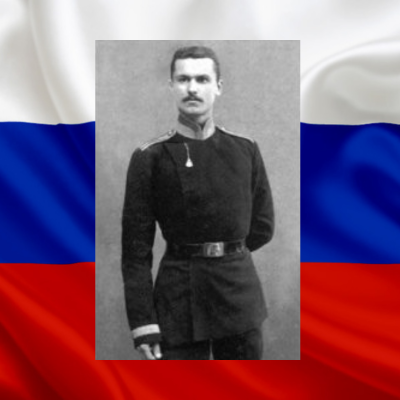
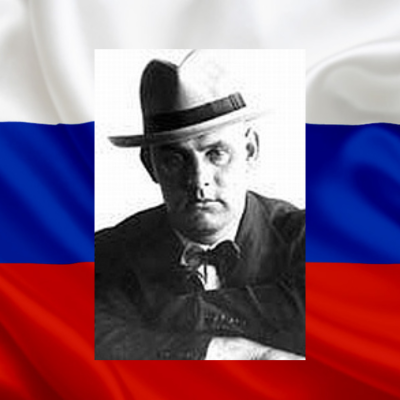
Around the same time, another huge contributor to this fighting art, Viktor Spiridonov, a World War I veteran, wanted to develop a system that would permit weaker and smaller, person to defend themselves against larger opponents. Spiridonov’s approach was more towards the self-defense aspect and practical application on the battlefield.
By combining Oshchepkov and Spiridonov’s styles together, formed the basis of Sambo. Officially, Sambo was recognized by the USSR All-Union Sports Committee in 1938. As military tactics progressed with time, there was a need to make Sambo applicable for real combat scenarios, and this is where Combat Sambo was born.
Combat Sambo became a fundamental part of their military training. While traditional Sambo focuses more on sport-like aspects with more limiting rules, Combat Sambo includes striking techniques borrowed from boxing, Muay Thai, and other striking arts. Making it the most complete fighting system today.
In the late 20th century, Combat Sambo started growing beyond its father country. It grew globally since it demonstrated effectiveness in both police/military training and international combat sports like Mixed Martial Arts events. Even today, Combat Sambo remains a dynamic martial art that continues to evolve adding bits and pieces from other styles, but with a core fundamental.
Isn’t it fascinating how diverse it is and to really learn what is Combat Sambo?
By combining Oshchepkov and Spiridonov’s styles together, formed the basis of Sambo. Officially, Sambo was recognized by the USSR All-Union Sports Committee in 1938. As military tactics progressed with time, there was a need to make Sambo applicable for real combat scenarios, and this is where Combat Sambo was born.
Combat Sambo became a fundamental part of their military training. While traditional Sambo focuses more on sport-like aspects with more limiting rules, Combat Sambo includes striking techniques borrowed from boxing, Muay Thai, and other striking arts. Making it the most complete fighting system today.
In the late 20th century, Combat Sambo started growing beyond its father country. It grew globally since it demonstrated effectiveness in both police/military training and international combat sports like Mixed Martial Arts events. Even today, Combat Sambo remains a dynamic martial art that continues to evolve adding bits and pieces from other styles, but with a core fundamental.
Isn’t it fascinating how diverse it is and to really learn what is Combat Sambo?
The Core Principles and Philosophy
At the core of Combat Sambo, there’s more than just physical mastery; there’s a unique philosophy and set of principles guiding every move we make. Let’s look into what makes this martial art so distinctive and effective at the same time.
Principle #1: Efficiency
In Combat Sambo, efficiency is of most importance. We aim to achieve the best results using the least amount of effort. This means:
Minimal Movements: Keeping our movements to the point and fluid.
Fast Decision-Making: Developing the skills to make split-second decisions during a fight at any point. It has to be second nature.
Energy Conservation: Using our energy only when really needed to we can outlast our opponents.
In Combat Sambo, efficiency is of most importance. We aim to achieve the best results using the least amount of effort. This means:
Minimal Movements: Keeping our movements to the point and fluid.
Fast Decision-Making: Developing the skills to make split-second decisions during a fight at any point. It has to be second nature.
Energy Conservation: Using our energy only when really needed to we can outlast our opponents.
Principle #2: Adaptability
Combat Sambo was developed for real-world combat scenarios. Making it ideal for MMA. Bring flexible and adaptable, given its various applications. This involves:
Versatility: Mastering different, grappling, striking, and submission techniques and escapes.
Environmental Awareness: In a real fight, we don’t get to pick where that fight will take place. Adjusting our strategies based on our surroundings is crucial.
Analyzing Opponents: Learning to assess your opponent and exploiting their weaknesses.
Combat Sambo was developed for real-world combat scenarios. Making it ideal for MMA. Bring flexible and adaptable, given its various applications. This involves:
Versatility: Mastering different, grappling, striking, and submission techniques and escapes.
Environmental Awareness: In a real fight, we don’t get to pick where that fight will take place. Adjusting our strategies based on our surroundings is crucial.
Analyzing Opponents: Learning to assess your opponent and exploiting their weaknesses.
Principle #3: Psychological Strength
Combat Sambo like most martial arts is as much mental as it is physical. We focus on building our psychological resilience many different ways:
Mental Toughness: We prepare and teach ourselves to have the ability to stay calm and focused under pressure.
Situational Awareness: Most walk around like nothing will ever happen to them. But being alert and ready for any unexpected encounters is essential in Sambo.
Confidence Building: We develop self-belief through tough training and practice.
Combat Sambo like most martial arts is as much mental as it is physical. We focus on building our psychological resilience many different ways:
Mental Toughness: We prepare and teach ourselves to have the ability to stay calm and focused under pressure.
Situational Awareness: Most walk around like nothing will ever happen to them. But being alert and ready for any unexpected encounters is essential in Sambo.
Confidence Building: We develop self-belief through tough training and practice.
Foundational Philosophy: Survival and Self-Defense
Being that this fighting style was utilized by the military, it has it’s roots deeply embedded in the philosophy of survival and self-defense. Every technique we learn is not just for sport but for real-life application. It is important to understand that some sport techniques can put you in a bad situation in a street fight. So knowing which one to use is crucial. This philosophy emphasizes:
Realism: Practicing moves that are effective in actual real life situations.
Self-Reliance: With skills, comes confidence to defend ourselves and protect others that may not have the same skills.
Respect: Honoring our coaches, partners, and the martial art itself, encouraging a sense of community and mutual respect.
By following these core principles and this overarching philosophy, we not only become better fighters in Sambo and MMA but also more aware, disciplined, and adaptable individuals. Combat Sambo teaches us lessons that extend well beyond the mat are. It’s really is a way of life.
Realism: Practicing moves that are effective in actual real life situations.
Self-Reliance: With skills, comes confidence to defend ourselves and protect others that may not have the same skills.
Respect: Honoring our coaches, partners, and the martial art itself, encouraging a sense of community and mutual respect.
By following these core principles and this overarching philosophy, we not only become better fighters in Sambo and MMA but also more aware, disciplined, and adaptable individuals. Combat Sambo teaches us lessons that extend well beyond the mat are. It’s really is a way of life.
Key Techniques and Moves
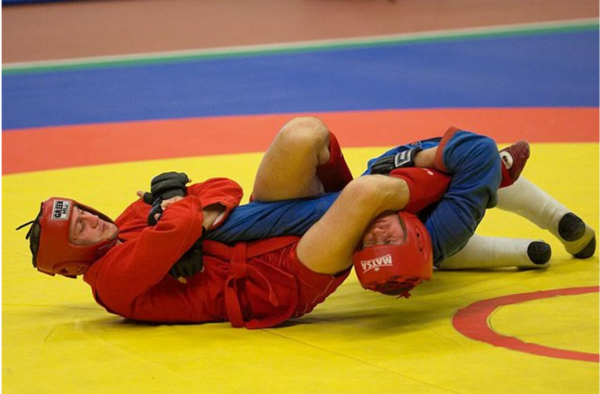
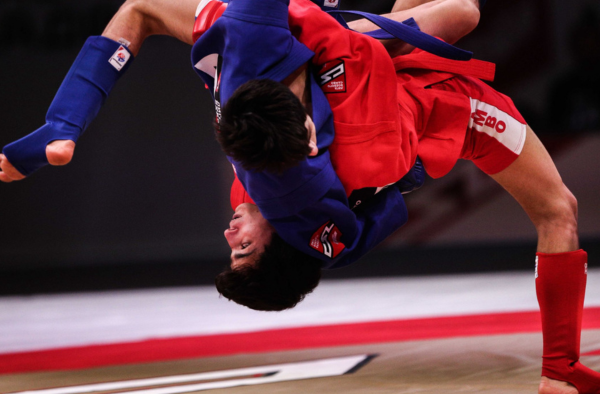
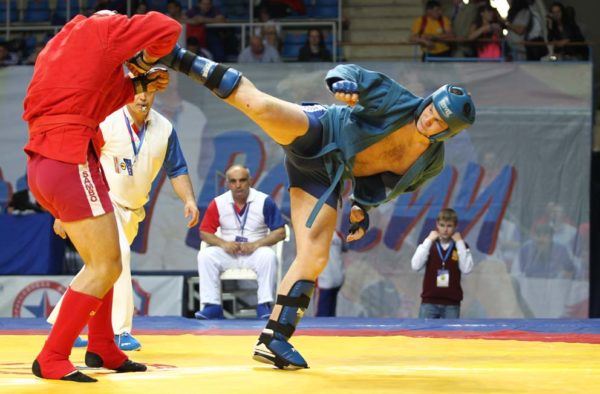
When it comes to Combat Sambo, there are a variety of techniques, moves and movements that come into play. Here, we’ll look more into some of the essentials that make this martial art unique and effective.
Throws
One of the primary and very popular techniques we use in Combat Sambo is throwing. Throws allow us to take control of our opponent’s movement and bring them to the ground almost willingly.
Hip Throws: Using our hips to leverage, we can flip our opponent over our bodies. The main mechanism for hip throws is to get the opponent off balance in a forward motion by pulling and perform the throw by putting the opponent over the hip.
Shoulder Throws: We use our shoulder and upper body strength to throw the opponent over us. The shoulder throw involves a fighter turning and lifting their opponent on their back while keeping one hand or both hands (depending on the throw) on the opponent’s Kurtka and throwing the opponent over their shoulder.
Foot Sweeps: These involve sweeping the legs out from under our opponent to unbalance them. There are different types of leg throwing techniques, these include some that involve sweeping motion, reaping and hooking motions.
One of the primary and very popular techniques we use in Combat Sambo is throwing. Throws allow us to take control of our opponent’s movement and bring them to the ground almost willingly.
Hip Throws: Using our hips to leverage, we can flip our opponent over our bodies. The main mechanism for hip throws is to get the opponent off balance in a forward motion by pulling and perform the throw by putting the opponent over the hip.
Shoulder Throws: We use our shoulder and upper body strength to throw the opponent over us. The shoulder throw involves a fighter turning and lifting their opponent on their back while keeping one hand or both hands (depending on the throw) on the opponent’s Kurtka and throwing the opponent over their shoulder.
Foot Sweeps: These involve sweeping the legs out from under our opponent to unbalance them. There are different types of leg throwing techniques, these include some that involve sweeping motion, reaping and hooking motions.
Grappling
Grappling is the foundation to Combat Sambo. If you think of a Sambist (Sambo athlete) you think more of grappling then you would a striker like in Muay Thai. It’s all about wrestling control and positions, may it be on the ground or standing.
Arm Locks: Using our timing and leverage, we can guide the opponent’s arm into a painful position, often leading them to submit. But if they do not tap out, it will snap.
Leg Locks: These are one of the reasons Sambo became so popular in the grappling arts. Applying pressure on the knee or ankle, these locks aim to incapacitate our opponent’s leg. In the military, the thought was, that if I break a leg, you will need another soldier to help you get out alive. But if break a arm, they can still fight back.
Chokes: By restricting or stopping blood flow or air to our opponent, we can make them submit or temporarily incapacitating them. When applying chokes, it is more civil to stop circulation then air. By stopping circulation they just go to sleep. By stopping air, if to much pressure is applied to the trachea or esophagus you can kill someone.
Grappling is the foundation to Combat Sambo. If you think of a Sambist (Sambo athlete) you think more of grappling then you would a striker like in Muay Thai. It’s all about wrestling control and positions, may it be on the ground or standing.
Arm Locks: Using our timing and leverage, we can guide the opponent’s arm into a painful position, often leading them to submit. But if they do not tap out, it will snap.
Leg Locks: These are one of the reasons Sambo became so popular in the grappling arts. Applying pressure on the knee or ankle, these locks aim to incapacitate our opponent’s leg. In the military, the thought was, that if I break a leg, you will need another soldier to help you get out alive. But if break a arm, they can still fight back.
Chokes: By restricting or stopping blood flow or air to our opponent, we can make them submit or temporarily incapacitating them. When applying chokes, it is more civil to stop circulation then air. By stopping circulation they just go to sleep. By stopping air, if to much pressure is applied to the trachea or esophagus you can kill someone.
Striking Techniques
Though as mentioned earlier grappling and throwing are crucial and what most know Sambo as, striking is equally vital in Combat Sambo when a real fight or Mixed Martial Arts competitions are involved.
Punches: We use a variety of punches just like in Boxing but more. Many times aiming for vital targets like the face, ribs, and solar plexus.
Kicks: Low, mid-level and high kicks can disrupt our opponent’s stance and deliver powerful blows that can knock people out.
Elbows and Knees: Close-range hits from elbows and knees can be devastating as seen in MMA and Muay Thai events. It offers us the chance to inflict significant damage quickly with the hardest parts our the body.
Though as mentioned earlier grappling and throwing are crucial and what most know Sambo as, striking is equally vital in Combat Sambo when a real fight or Mixed Martial Arts competitions are involved.
Punches: We use a variety of punches just like in Boxing but more. Many times aiming for vital targets like the face, ribs, and solar plexus.
Kicks: Low, mid-level and high kicks can disrupt our opponent’s stance and deliver powerful blows that can knock people out.
Elbows and Knees: Close-range hits from elbows and knees can be devastating as seen in MMA and Muay Thai events. It offers us the chance to inflict significant damage quickly with the hardest parts our the body.
Defensive Tactics
While offensive moves are the most fun when it comes to learning martial arts, the real key is defense. If you can’t get hit, then you can’t lose.
Blocking: Using our limbs, like legs, shins, forearms, or hands, to block incoming strikes from opponents.
Dodging/Slipping: Swift movements in all directions to evade strikes entirely. Also using our head for movement to prevent blows to the face.
Counters: By combining a defensive move with an immediate offensive strike or grapple, we can turn defense into offense effectively. This is where the most experience come in. It takes time to see the opponents movements as they are doing it.
While offensive moves are the most fun when it comes to learning martial arts, the real key is defense. If you can’t get hit, then you can’t lose.
Blocking: Using our limbs, like legs, shins, forearms, or hands, to block incoming strikes from opponents.
Dodging/Slipping: Swift movements in all directions to evade strikes entirely. Also using our head for movement to prevent blows to the face.
Counters: By combining a defensive move with an immediate offensive strike or grapple, we can turn defense into offense effectively. This is where the most experience come in. It takes time to see the opponents movements as they are doing it.
Transition Techniques
Moving smoothly between different positions like throws to armbars, throws to leg locks, side control to mount, armbar to triangle choke and much, much more techniques is a must.
Rolling: Rolling out of a throw, takedown or grappling pins or submissions to gain a more advantageous position can only be done by long term practice.
Bridging: Using our body’s natural movements like we see done in the gym for a hip thrust exercise can be used to escape from being pinned under our opponent.
Sprawling: This move that is very popular in wrestling helps us avoid takedowns by flattening our hips against our opponent’s head, neck and back when they attempts to tackle (shoot) our legs.
With these techniques becoming second nature, we’ll be ready to face any and many different situation that come up in Combat Sambo, MMA or a street fight, utilizing a balanced mix of throws, takedowns, grappling, striking, and defense.
Moving smoothly between different positions like throws to armbars, throws to leg locks, side control to mount, armbar to triangle choke and much, much more techniques is a must.
Rolling: Rolling out of a throw, takedown or grappling pins or submissions to gain a more advantageous position can only be done by long term practice.
Bridging: Using our body’s natural movements like we see done in the gym for a hip thrust exercise can be used to escape from being pinned under our opponent.
Sprawling: This move that is very popular in wrestling helps us avoid takedowns by flattening our hips against our opponent’s head, neck and back when they attempts to tackle (shoot) our legs.
With these techniques becoming second nature, we’ll be ready to face any and many different situation that come up in Combat Sambo, MMA or a street fight, utilizing a balanced mix of throws, takedowns, grappling, striking, and defense.
Frequently Asked Questions About Combat Sambo
What is Combat Sambo?
Combat Sambo is a Russian martial art and combat sport developed by the Soviet Union. It's a mix of traditional sambo, judo, jiu-jitsu, and other martial arts, emphasizing practical self-defense skills.
Who Is Combat Sambo Right For?
When it comes to picking a martial art, we know it’s not a one-size-fits-all scenario. But Combat Sambo may just check all your boxes. If you’re looking to grow both physically and mentally while gaining a practical skill set, Combat Sambo might just be the perfect fit..
Is Combat Sambo effective for self-defense?
Yes, Combat Sambo is notably effective for self-defense. It combines striking and grappling, allowing practitioners to handle a variety of confrontation scenarios.