




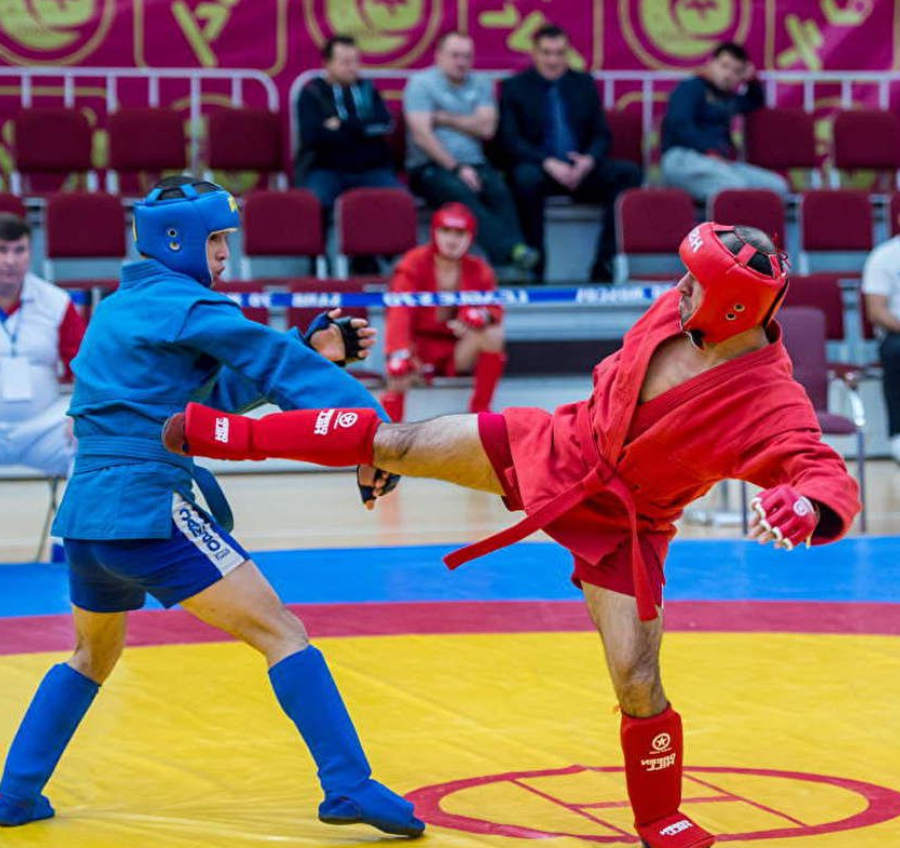
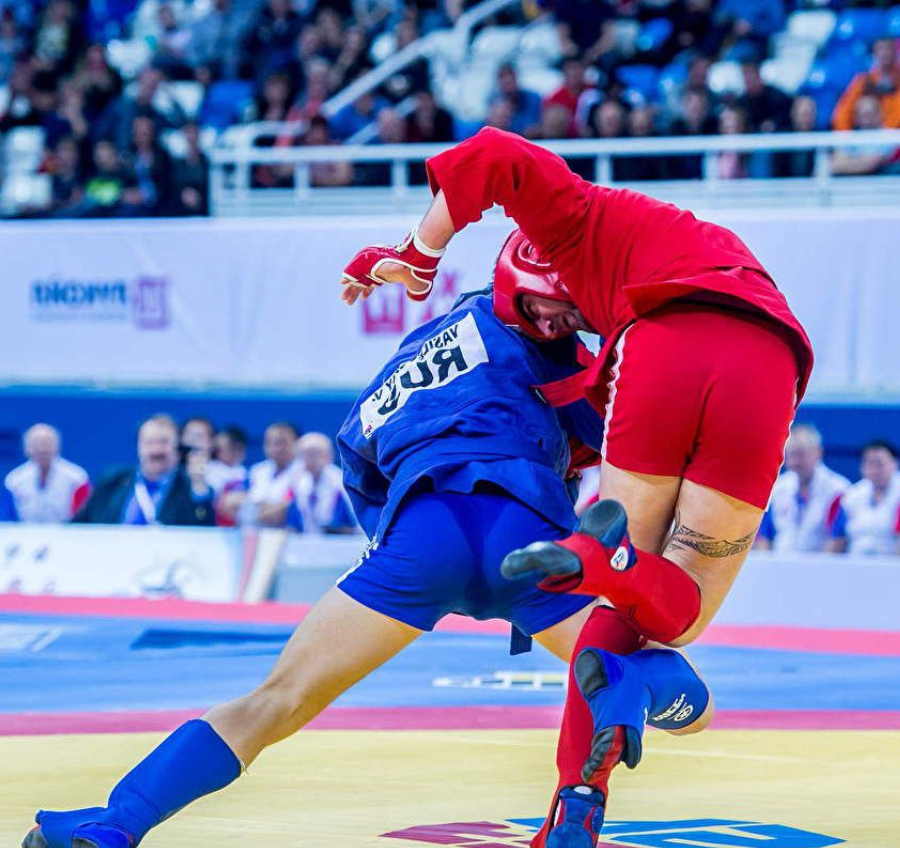
Learn Combat Sambo Step By Step
Learn Combat Sambo Correctly
Introduction to Combat Sambo
- Judo throws from hip tosses, foot sweeps and arm throws.
- Wrestling takedowns and pinning techniques
- Strikes from boxing, karate and kickboxing
- Discipline
- Commitment
- Regular training
Combat Sambo Gear You'll Need
Alright, let’s get our gear on! To get started, we need a few basics. It is important to understand that all theses things will be required in competition. But depending on the gym that we train in or if you are training at home with a friend, it may be required or it may not. If we want to always be as safe as possible, then we will use the gear that was created for our safety.
Sambo Shoes (Sambovki): These protect our toes. It helps with grip and mobility on the mat. They are NOT wrestling shoes. The bottom is made of leather which allow us to move freely when performing turning throws.Sambo Jacket (Kurtka): Traditional jacket with holes to weave your belt through. It has extra handles on the shoulders for different grips.
Gloves: These basically protect our knuckles from being harmed and are easier on our training partners face. Shorts: Every gym wears shorts, some may wear Judo pansts but that is definitely not authentic.
Mouthguard: When striking is involved, we may want to protect those pearly whites.
Groin Protector: Safety first! Don’t have to mention what this is for.
Shin Guards: Important during sparring sessions and kicking specific drills where we have to defend against kicks with our on shins.
Basic Techniques to Learn Combat Sambo
To start Combat Sambo on the right foot, we need to start from the basics. This means covering the fundamentals well so we don’t have holes in our fight game. This is something that will vary from gym to gym, but these are the things we recommend a beginner start with for a couple of weeks and then more is added on:
- Warm-Up: Always start with a 10-15 minute warm-up session to get loosened up and to reduce the risk of injury.
- Fight Stance: Develop a balanced stance. If you are right handed, your right foot will be back. If you are left handed then your left foot will be back. Feet shoulder-width apart, knees slightly bent. Now take your dominant leg and take a shoulder with step back. Make sure your heals do not line up with each other in a straight line.
- Footwork: Practice moving forward, backward, to the left and to the right side-to-side in your fight stance and make sure that your feet do not cross each other. Stepping lightly and not like the Hulk walks.
- Strikes: Focus on punches and kicks. Jab, Cross, Left Hook, Right Hook, Left Upper Cut, Right Upper Cut. For kicks start with the Rear Roundhouse and a switch step Roundhouse kick.
- Grappling: Learn basic bridging and hip escape motion. Make sure to also practice our forward and backwards roll. Learn to do our forward fall, backwards fall and side falls.
- Throws: Start with simple foot work for hip throws. Learn Combat Sambo footwork for maximum effort.
- Defense: Practice blocking, parrying, and slipping punches. For kicks, learn to check the round house kick.
Consistent practice is key to mastering these techniques.
Training Tips for Consistent Progress
This part is where a lot of athletes fall short. We need to know what to focus on and stop chasing the shiny object. There are to many techniques out there that look cool and can distract us from the fundamentals. Not only that, not having a plan can make us quit because we have never had a vision of where we are going.
Set Clear Goals: Let’s define what we want to achieve when we chose to learn Combat Sambo. Whether it’s mastering a throw, perfecting a escape, or improving our stamina so we can last longer during our fight rounds. Clear goals keep us focused and on path.Drill Basics: If you are new you may have never heard the saying “drillers are killers”. Drilling the basics are key. Let’s practice techniques like hip throws, armbars, shoulder locks and leg locks until they become second nature during sparring. They definitely won’t be remembered if we do them once and move on to the next thing.
Regular Practice: We need show up as much as our schedule allows us to train consistently. Aim for at least 3-4 sessions a week to build muscle memory. Think of any Pro athlete and how they got to where their are. It was not by training 1 time per week.
Cross-Training: Incorporate other martial arts that are related to what you already learn in Combat Sambo. Muay Thai, Judo, Wrestling, Brazilian Jiu-Jitsu can offer valuable insights and techniques that will transfer well. If your coach is savvy, he will be teaching you those if he is actually proficient in it.
Rest and Recover: Urgh this one sucks! BUT, It’s crucial. Let’s not forget to give our bodies time to heal to when you are in pain or discomfort. This also helps to avoid burnout and injuries getting worst.
Common Mistakes to Avoid
We all make mistakes, so this is not going to be any different for any of us when we learn Combat Sambo. Not to be a Debbie downer, but it is true. Even Pro athletes make mistakes. That is how they lose a match, get knocked out or get caught in a submission.
Skipping Warm-Up: Oh yeah that guy! Don’t be the lazy one that skips warm-ups. We all have bad days. Take the warm-up a little slower, but don’t skip it if you can. It’s vital to prepare our bodies and prevent injuries.Overtraining: We are not superhero’s. We need to remember that rest is just as important as training. That is how our muscles repair and injuries heal. Overtraining will lead to burnout and injuries.
Ignoring Technique: Speed and strength are great, but you will not have that forever young buck! Unless you plan on training in the martial arts temporarily just to say you did it once. Without proper technique, we won’t be efficient and effective. Ask anyone that has quit a long time ago and ask wht they remember and check how slow their timing is.
Poor Nutrition: We must fuel our bodies correctly. We don’t put regular gasoline in F1 cars. Eating junk food will hinder our performance. You can be a Kia or a F1 car, that is your choice.
Lack of Consistency: Training here and there won’t get you good results. We must stick to a regular schedule and commit.
Neglecting Defense: Attacks and submissions are cool, we know that. But we shouldn’t just focus on attacks. Good defense is crucial for longevity on the mats.
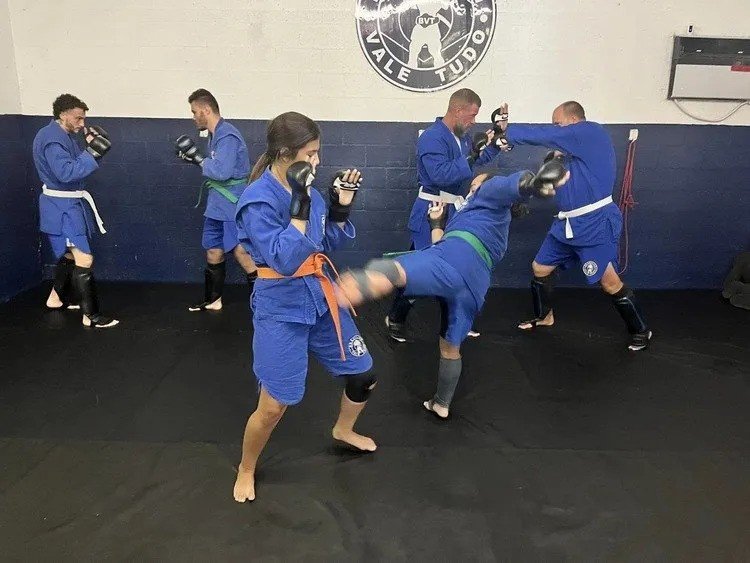
Combining Practice with Theory
We need to focus on a good balance of blending our on the mat sessions with theoretical when we learn Combat Sambo. I know, most coaches won’t say that. But it is true. Let us show you. Here’s how we can do it:
Study Techniques Watch instructional videos or read reliable sources to understand different moves. Just like we are doing on this blog post. We recommend watching videos on what your coach taught during a specific week. That way you can really absorb the moves by doing it and visualizing it. We do hope the coach does not skip randomly from position to position every other day. It would be hard for a beginner to retain a solid system.Practice Regularly Implement what we learn in class or on video in short, focused drills. Make sure that our teammates know the techniques we are working on so they can point out anything that we have missed during drilling. Repetition is key.
Feedback and Correction Either we record ourselves or have a partner correct our form as we mentioned earlier.
Analyze Matches This is what professional athletes do. They review professional matches to see theoretical techniques in practical scenarios.
Knowledge without practice is like a ship without a sail.” Let’s combine both for effective learning!
Setting Realistic Goals and Tracking Progress
- Define Our Goals:
- Increase flexibility.
- Improve strength.
- Master specific techniques.
- Break It Down:
- Weekly milestones.
- Monthly targets.
- Track Our Progress:
- Use training logs.
- Record sparring sessions.
- Adjust When Needed:
- Reevaluate goals monthly.
- Adjust training intensity.
- Celebrate Small Wins:
- Recognize improvements.
- Reward ourselves for consistency.
How to Stay Motivated and Have Fun
Staying motivated and having fun is key to mastering Combat Sambo. Remeber while we wanted to learn this awesome martial art in the first place.
Set Goals: We should always set short-term and long-term goals to track our progress and keep us looking forward to the next training session.Find a Partner: Training with a teammate that has the same goals and vision as we have makes the practice more enjoyable and pushes us harder.
Change It Up: Don’t get stagnant, mix up drills and routines to keep things fresh.
Celebrate Wins: Even small achievements should be celebrated.
Join a Club: If we can find a Combat Sambo Near Me then join that gym. Our online community also has many athletes that do not have access to a Sambo gym, but have found a Judo, Jiu-Jitsu or Wrestling club. Being part of a community keeps us engaged and motivated.
Rest: Yes we are mentioning this again. Remember that recovery is vital. Don’t forget to rest and have fun outside of training too!
Finding a Good Instructor
Let us explain this further: Because FIAS (International Sambo Federation) only came up with Sambo ranking system in 2008 and Sambo has been around since 1938, there are plenty of qualified Sambo coaches out there that got a black belt or certificate from their coach within their gym called a “dojo rank”. So they are not going to go through FIAS years later to get the FIAS “belt system”. For example and just 1 example because there are many more is Master Vladislav Koulikov. This man got to train directly at the best Sambo school in Russia called Sambo-70, moved to the USA more then 25 years ago and has been certifying and promoting Sambo athletes that have competed in National and International level in Sambo to black belts. These are 100% qualified athletes that got to train directly under a beast. So we need to make sure that the coach we find has trained under a legit coach, and has either competed in States, National, International level events or has frequented multiple Sambo seminars with their coach.
Here are some tips to ensure we find a suitable one:Check Qualifications: Ensure they have certified experience in Combat Sambo, ideally with competition history.
Seek Recommendations: Ask around in local martial arts gyms or online forums for trusted instructors.
Trial Classes: Many places offer first classes free. Use this to gauge teaching style and ask the coaches questions about their past.
Evaluate Compatibility: The instructor’s teaching style should align with our learning preferences.
Observe Classes: Watch a session to see how they interact and train with students. See if they even know the technique names in Russia or are they just using Brazilian Jiu Jitsu terminology.
Let’s find someone who inspires us to learn!
To find a Combat Sambo coach to learn Combat Sambo correctly we can start by searching for local martial arts gyms or academies that specialize in Sambo by simply asking our circle of friends. Check online directories, social media, or martial arts forums. Look for coaches with credentials, competition experience, and positive reviews. Visit gyms, watch classes, and ask questions to ensure a good fit.
Yes, you can start to learn Combat Sambo with no experience. Most gyms welcome beginners and will teach you the fundamentals of striking, grappling, and submissions.