



Discover the Origins of Sambo: Russia's Most Powerful Martial Art
Many are unsure of martial arts choices, but Sambo, a Russian style, offers a great starting point.

Feeling overwhelmed by options is common. Sambo became a recognized Soviet sport in 1938.
We've explored Sambo's history in detail, highlighting its unique features in comparison to other arts.
There are so many martial arts out there in the world. So, we have many different option that we can choose from, this makes it harder to pick the best one for our goals. Sambo, a Russian martial art is a great choice for those looking for a complete fighting system.
When we first start, it is totally normal to feel overwhelmed by the diverse fighting styles. We have researched Sambo’s roots deeply and thoroughly. Sambo was officially recognized as a sport in 1938 in the Soviet Union.
We dove into the grown, evolution and origins of Sambo which is a fascinating combat sport.
Sambo has numerous unique features that set it apart from every other martial arts style in the world. We’ll explore this exciting and interesting martial art and its unique aspects.
Origins of Sambo Training
Offers real life self-defense techniques and competition training from the Soviet Union.
Russian Martial Arts
Sambo a Russian Martial Arts can be a great choice for fitness and Self Defense alike.
Combat Sport Training
Master military type of techniques with striking and grappling integration.
Defining Sambo
Sambo combines striking and grappling seamlessly into the only fighting style to do that. Most styles focus on either grappling only or striking. But Sambo mixes elements from Wrestling, Judo, Kickboxing and other combat sports to create a powerful self defense fight system.
Origin of Sambo and Meaning
In the grappling and Mixed Martial Arts (MMA) circles, we often hear the word “Sambo”. But what is Sambo and what does that mean? SAMBO stands for “SAMozashchita Bez Oruzhiya” in Russian. This translates to “self-defense without weapons” in English.
The name itself tells us what this martial art is about and its main focus and purpose.
In the early 1920s the Soviet military needed a new fighting system for combat and that is when the term “Sambo” came into existence. The military wanted to find the best techniques from different martial art styles. This mix and match became Sambo. A fantastic and complete system that teaches us how to defend ourselves without weapons.
The term “Sambo” came into use in the 1920s when the Soviet military needed a new combat system. They wanted a method that mixed the best parts of different fighting styles. This blend became Sambo – a unique martial art that teaches how to protect oneself without using any tools or weapons.
Key Characteristics
Now that we learned about the meaning and name of Sambo, what else makes Sambo unique? There are many key traits that sets Sambo apart from other fight styles world wide.
Sambo combines techniques from Jiu Jitsu, Boxing, many Wrestling styles, Karate, Kickboxing, and Judo. This mixture of arts creates a well-versed martial art. We notice a focus on strikes to throws, to submissions and ground work. In Combat Sambo many strikes are allowed.
What we look for in Sambo is to control the opponent and put the attacker into a submission quickly. Sambo fighters practice to adapt to any situation. We can use Sambo to fight standing or on the ground.
Sambo is not just a sport, it’s a way of life. – Fedor Emelianenko
Unless we live under a rock, we’ve seen how Sambo and its diverse techniques help in real fights. MMA events have shown us firsthand how effective these techniques are. Top MMA fighters from the UFC, Pride, Bellator are Combat Sambo martial artists. Sambo is heavily known for its takedowns and leg locks.
Strategy and quick thinking are things taught in Sambo classes. These skills are awesome for Mixed Martial Art competitions and self defense.

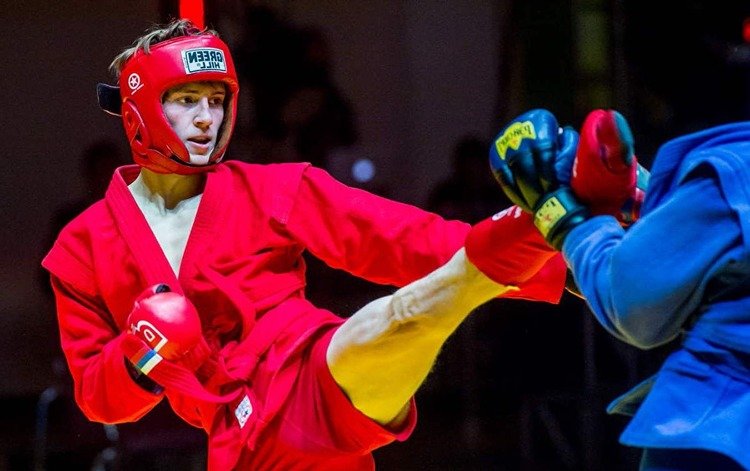
Sambo's Historical Background
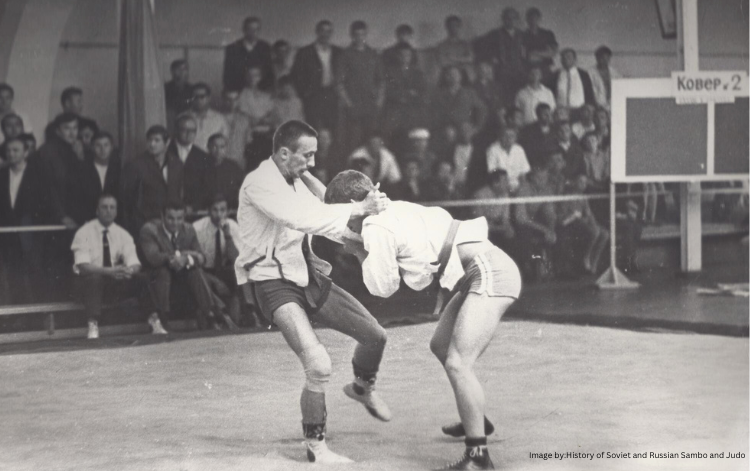
We can see that the origins of Sambo’s trace back to the early 20th century in Russia. Ahead of their time, the Soviet Red Army new that they needed to mix foreign martial arts with local wrestling styles for their new fighting system.
Early Influences and Development
This unique martial art roots that we traced back to the early 1920’s in the Soviet Red Army had some unique martial arts added to its repertoire. Fighting styles like Kurash and catch wrestling played a very important part in molding Sambo. But let’s not forget Judo, Jiu Jitsu and Boxing.
Searching for a practical self defense system, the Soviet military knew they needed something for real life situations. The combat system had to combine the best techniques of different fighting systems from around the world.
Sambo gained popularity due to its mixed influences from other styles becoming it’s own unique martial art. The early practitioners wanted to design a method that was both easy and effective to learn. Taking bits from Asian martial arts and combining it with local wrestling styles.
This combination made Sambo a adaptable fighting system that could be used in sports, battle and street self defense. As Sambo became a more concrete name, it began to spread and gain recognition within the Soviet Union.
Recognition as an Official Sport in Soviet Union
Sambo catapulted into fame on November 16, 1938. That’s when the Soviet Union made it an official sport. We’ve seen how this move changed everything for SAMBO. It gave the art a real boost, helping it grow fast across the USSR.
This official nod meant more than just paperwork. This allowed Sambo to be taught widely and opened many doors for those looking to teach it to Military units, schools, and sport clubs. It achieved major success as the government approved it and went from local fighting to their national pride.
It’s awesome to see how one decision can shape a martial art’s future!
Sambo's Early Influence
Sambo's roots trace back to the 1920s, blending judo, jiu-jitsu, boxing, kurash, and catch wrestling.
Sambo's Development
Created for real-life combat, Sambo merged various styles, gaining recognition in the Soviet Union.
Sambo A Official Sport
Sambo grew fast once it got its big break on November 16, 1938 when the Soviet made it a sport.
Styles of Sambo
As we can see from the origins of Sambo that it comes in different flavors. We’ll explore four main types that make this martial art so versatile and exciting.
Sport Sambo
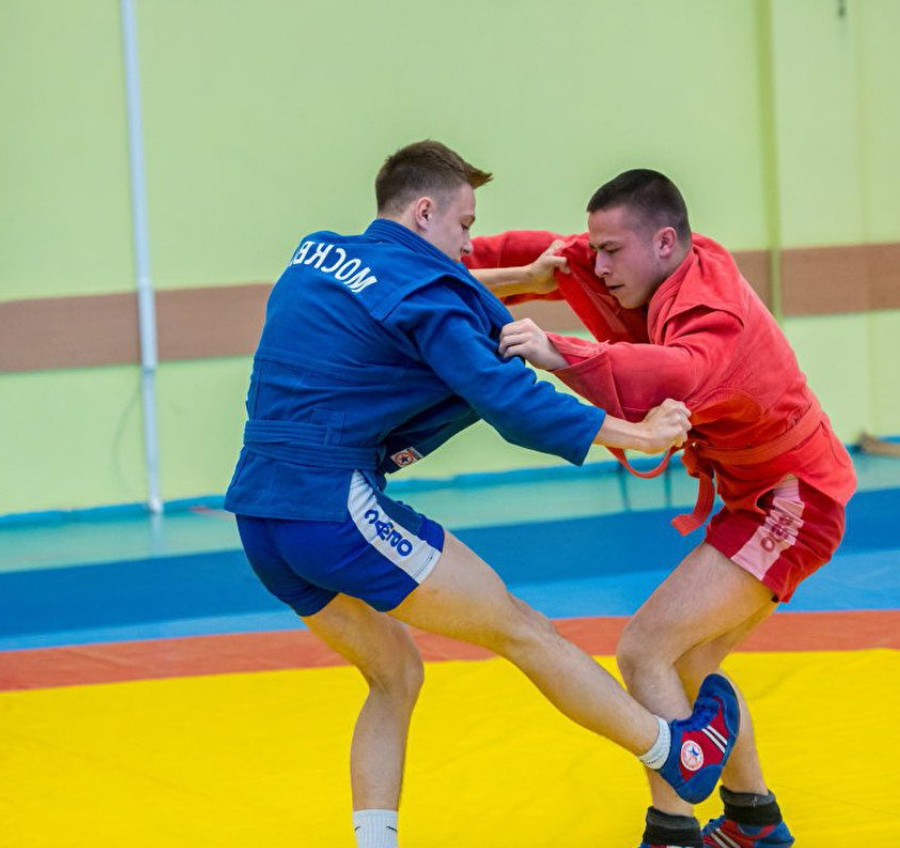
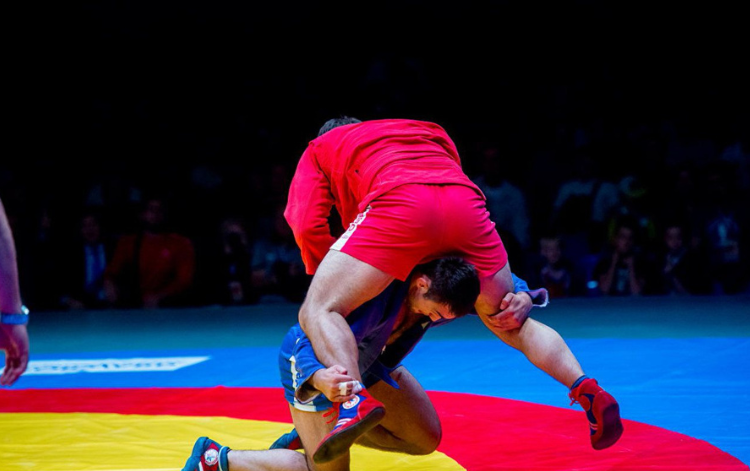
Sport Sambo is a fun and exciting part of the Sambo family. We love how it mixes throws, holds, and ground fighting. It is like a mixture of Kickboxing and Judo but with its own spin to it.
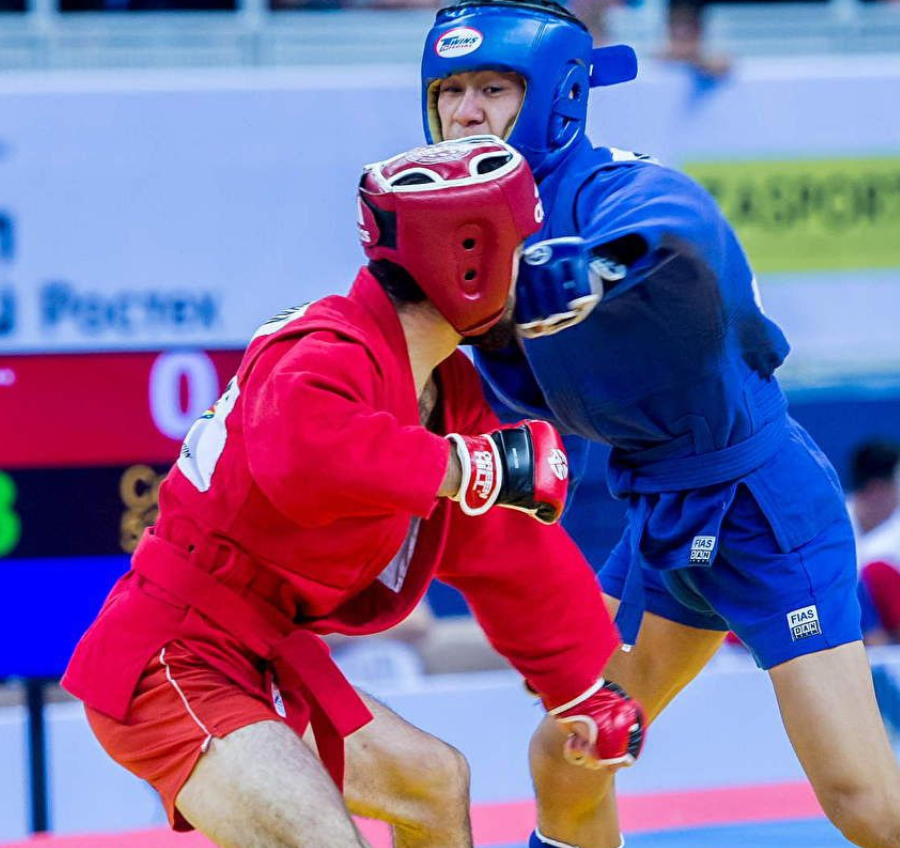
Fighters wear Kurtka jackets and shorts with gloves, headgear and shin guards specifically in Combat Sambo. Matches can be won by throws, submissions, and knockouts.
There are also really nice moves in Sport Sambo. Fighters utilize leg grabs, foot sweeps, hip throws and leg locks to defeat their opponents. The goal is to make the other person tap put or win by points.
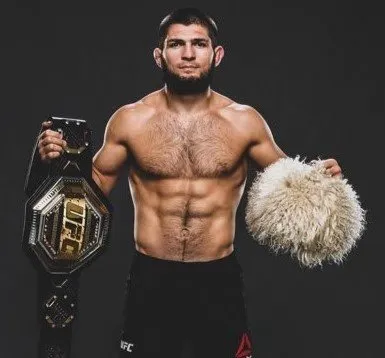
Many big-name MMA starts in the UFC and other organizations started with Sambo and became Combat Sambo world champions before going into MMA. Fighters like Khabib Nurmagomedov, Islam Makhachev and others utilize this fast-paced explosive art.
Combat Sambo
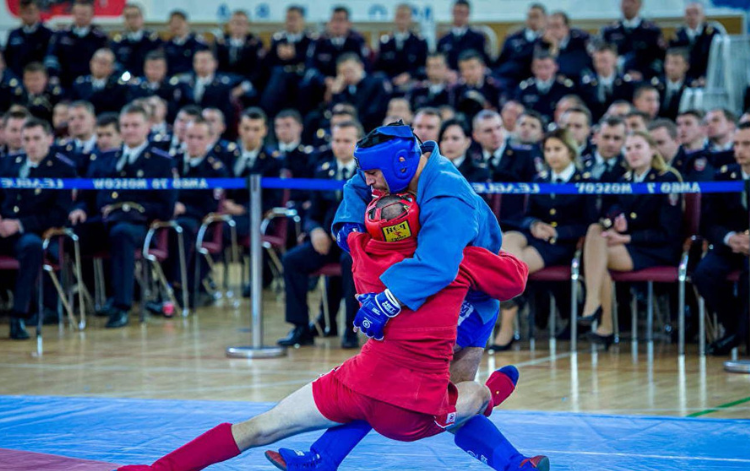
Combat Sambo packs a punch – literally! We have seen this live in MMA events and Combat Sambo competitions. Since it mixes the striking and grappling together, it is a more aggressive style the Sport Sambo. Fighters can use, kicks, knees, punches, elbows and even headbutts to win!
The first FIAS World Combat Sambo Championships kicked off in 2001, marking a big step for the sport.
Combat Sambo isn’t just a martial art, it’s a test of will and skill, says Andrei Arlovski, a famous practitioner.
We’ve noticed how Combat Sambo has shaped MMA. Many top fighters use its techniques in the octagon. It’s a tough, no-nonsense style that prepares you for real fights. From our experience, it’s not for the faint of heart, but it’s incredibly effective.
Freestyle Sambo
We love Freestyle Sambo! It’s a fun twist on traditional Sambo that gives us more room to play. The American Sambo Association brought it to life in 2004. Unlike regular Sport Sambo, we can use a wider range of moves here.
It’s like mixing different martial arts in one exciting package just how Sambo started in the Soviet Union.
The goal of Freestyle Sambo was to encourage Judo and Brazilian Jiu Jitsu practitioners to compete in Sambo. Freestyle Sambo allows chokes and strangles, where Sport Sambo does not.
This change allowed for more submission once the fight hit the ground. Fights are dynamic with throws and submissions. It is a great steppingstone for those looking for more of a sport aspect of Sambo where striking is not allowed.
Self Defense Sambo
Self Defense Sambo stacks up perfectly for real world protection. We can see it repeatedly with law enforcement and military units. The focus is to be quick and effective techniques that can neutralize the attackers fast.
Combining throws, takedowns, joint locks and striking techniques, making it a very well rounded defense system.
Staying calm under pressure is something that our Self Defense Sambo teaches us. Practicing scenarios that are like real life dangers. By training this way, our mind will be able to remember the things practiced during class.
The techniques are powerful and yet simple to use. It is a perfect style for those looking to increase their safety in the streets. Now, let’s focus on the founding members for Sambo and their contributions to this amazing martial art.
Combat Sambo Training
Combat Sambo mixes grappling, submissions, and striking creating a fluid, full-contact system.
Self Defense Training
Self defense Sambo techniques have key strategies to protect yourself in any situation.
Sport Sambo Training
Sport Sambo competitions focuses on throws, takedowns, ground control, and submissions.
Sambo Founding Figures
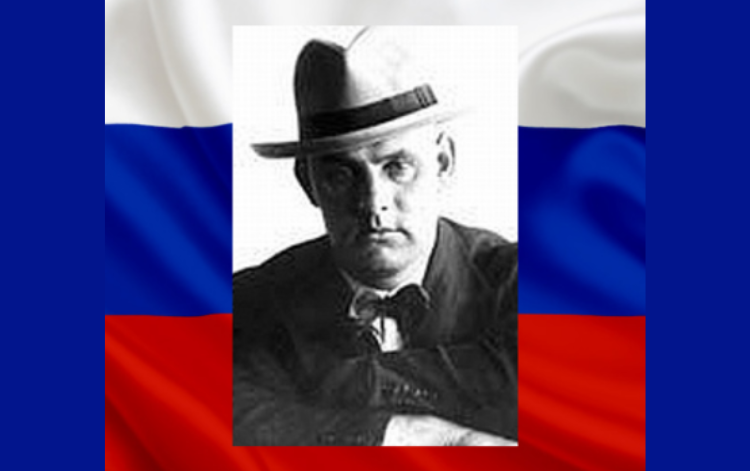
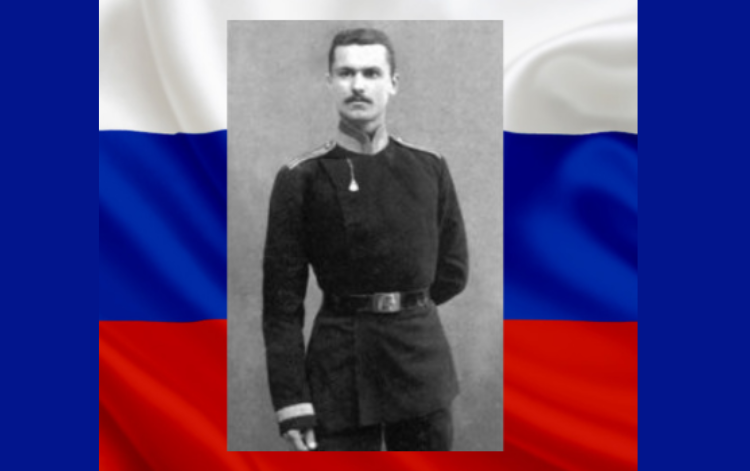
Anatoly Kharlampiyev played a key role in shaping Sambo as we know it today. Want to learn more about the other founding figures? Keep reading!
Anatoly Kharlampiyev
Kharlampiyev helped create Sambo by blending other fighting styles.
He took pieces from Wrestling, Judo, and other martial arts to make something new for the Soviet Union.
Sambo is not just a sport, it’s a science of self-defense. – Anatoly Kharlampiyev
Kharlampiyev didn’t just contribute to making Sambo, he also taught it. As he trained in the new art, he also wrote books about it.
Thanks to his dedication to this martial art, it became very well known.
Till this day we can see the impact that he had in Sambo world wide.
Other Notable Sambo Founders
Anatoly Kharlampivev played a important part in shaping Sambo, but he was not the only one. Let’s not forget the other important figures that added to this super combat sport.
Viktor Spiridonov, was a war veteran with some injuries. With that in mind, he created a softer style of Sambo that mostly anyone could do. This version focused more on leverage than strength. Born in 1983, Vasili Oshchepkov, also made great additions to Sambo. He developed Sambo techniques for intelligence use and the Soviet military.
To create this powerful fighting style, these men worked hard in blending different arts together. Their attempts paid off big when they mixed techniques from Wrestling styles, Judo and other martial arts. This mix gave Sambo it’s foundation. Thanks to each of the founders that brought unique perspectives and skills to Sambo.
Together, they created a ever evolving combat sport that is flexible and tough. Their work lives on in Sambo gyms around the world today.
Sambo’s Evolution Over the Years
Since the early origins of Sambo, it has changed and will keep changing a lot in the future. The rules have shifted, and new moves have popped up. Want to know more about how this tough sport grew? Keep reading!
Sambo Adaptations and Rule Changes
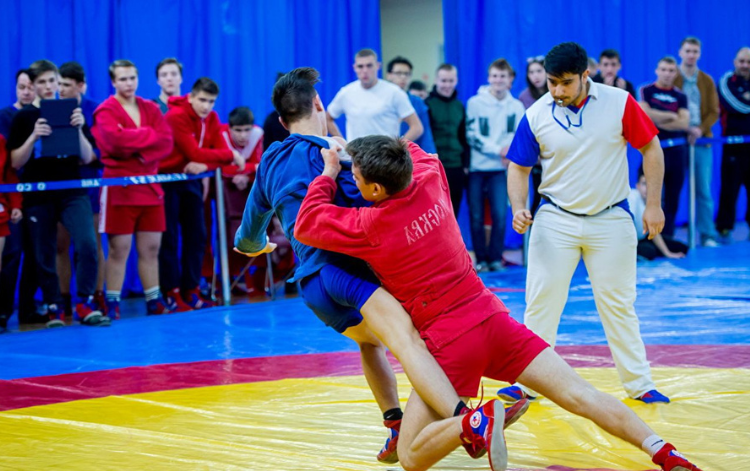
We’ve seen Sambo change a lot over time. Rules have shifted to make matches safer and more exciting. In 2004, we got Freestyle Sambo – a new style that mixes things up. It lets fighters use more moves from other martial arts.
This change has made Sambo more open and fun to watch.
FCF-MMA came around in 2003. It’s a version of Combat Sambo that feels closer to MMA. Fighters wear fight shorts and gloves instead of the usual Sambo outfit. This change has helped Sambo stay fresh and keep up with other fighting sports.
We think these tweaks have made Sambo more appealing to a wider group of martial artists.
Growth and Spread Globally
Sambo has grown beyond its Russian roots. We’ve seen it spread to many countries since the 1960s. The first World Cup for SAMBO in 1969 marked a big step. It showed that people outside Russia were getting interested.
In the U.S., things really took off in 1975. That’s when the first U.S. National Sambo Championships happened in Mesa, Arizona.
More and more folks around the world are trying Sambo now. It’s not just for Russians anymore. People like how it mixes different fighting styles. Sambo clubs have popped up in Europe, Asia, and the Americas.
Fighters from these places now join big contests. This global growth has made Sambo more exciting to watch. Let’s look at how Sambo fits into competitive arenas today.
Combat Sambo in MMA
FCF-MMA in 2003 brought Combat Sambo closer to MMA, with fighters wearing gloves and fight shorts.
Freestyle Sambo
Freestyle Sambo, allows more grappling moves, making matches exciting and open.
Sambo Global Growth
Sambo has grown globally since the 1960s, with the first World Cup in 1969 and U.S. Nationals in 1975.
Sambo in Competitive Arenas
Sambo shines in big events like the FIAS World SAMBO Championships. These contests show off the best moves and skills in the sport. Want to know more about how Sambo stars compete on the world stage? Read on!
FIAS World SAMBO Championships
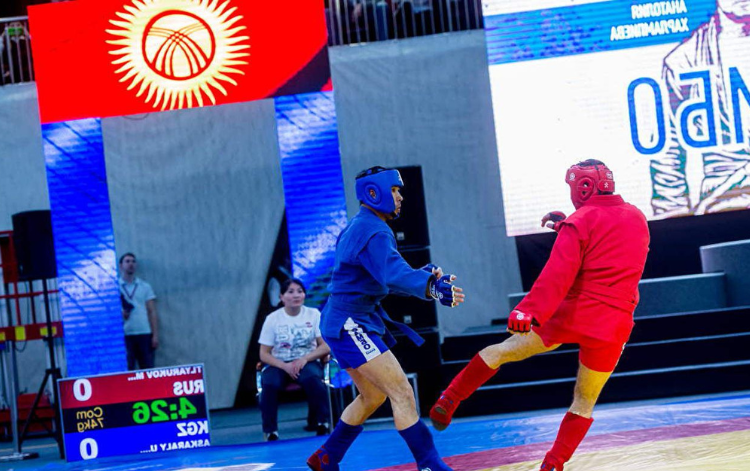
We’ve seen the FIAS World SAMBO Championships grow into a major event since its start in 2001. These contests bring top sambists from around the globe to show off their skills. Fighters compete in different weight classes and styles, including sport and combat sambo.
The championships have helped spread sambo’s popularity worldwide.
Our sport has come a long way since the first World Sambo Championships in Tehran back in 1972. Now, the FIAS event draws more attention each year. It’s a chance for the best sambo athletes to test themselves against elite competition.
The championships also help promote sambo as a unique martial art with deep Russian roots.
National and International Competitions
Sambo has grown from its Russian roots to become a global martial art. We’ve seen it flourish in various competitions, both at home and abroad.
- U.S. National Sambo Championships: These started in 1975, giving American sambists a chance to show their skills. The event has grown over the years, attracting more fighters and fans.
- World Wrestling Championships: Sambo is now part of this big event. It shares the stage with other grappling arts, raising its profile among wrestling fans.
- FIAS World Sambo Championships: This is the top event for sambo fighters worldwide. The best sambists from different countries compete for gold medals and glory.
- European Sambo Championships: Europe’s top sambo athletes face off in this yearly event. It’s a key stepping stone for many fighters aiming for world titles.
- Asian Sambo Championships: This competition showcases the best sambo talent from Asian countries. It’s helped spread the sport across the continent.
- Pan American Sambo Championships: Sambists from North and South America battle it out in this event. It’s played a big role in growing the sport in the Americas.
- Beach Sambo Tournaments: These fun events take place on sandy shores. They add a new twist to the sport and attract more casual fans.
- Combat Sambo Tournaments: These events focus on the more aggressive style of sambo. They often draw fans of mixed martial arts due to their intense nature.
- Junior Sambo Championships: Young sambists get their chance to shine in these events. They help nurture new talent and secure the sport’s future.
- Military Sambo Competitions: Many armed forces hold sambo contests. These events highlight the sport’s roots in military training.
Sambo’s Impact on Other Martial Arts
Since the origins of Sambo until now, it has left its mark on many fighting styles, especially Mixed Martial Arts (MMA). We’ve seen Sambo moves in big UFC fights… Want to know more about how this Russian art changed the game?
Influence in Mixed Martial Arts (MMA)
We’ve seen Sambo’s big impact on MMA. Many top fighters use Sambo moves in the cage. Fedor Emelianenko and Khabib Nurmagomedov, two famous Sambo pros, have shown how well it works.
They mix Sambo with other styles to win fights. This blend of skills has changed how people train for MMA.
Sambo’s ground game and throws fit right into MMA. Fighters love the leg locks and takedowns from Sambo. These moves can end fights fast. Plus, Sambo’s focus on quick thinking helps in the fast-paced world of MMA.
Next, let’s look at how other combat sports have borrowed from Sambo.
Techniques Borrowed by Other Combat Sports
Sambo’s impact on MMA has led to other combat sports borrowing its techniques. Many fighters now use leg locks and throws from Sambo in their arsenal. These moves have become popular in Brazilian Jiu-Jitsu and wrestling competitions.
We’ve seen Sambo’s influence grow in recent years. Fighters like Khabib Nurmagomedov, Islam Makhachev and Merab Dvalishvili have shown how effective Sambo can be. Their success has sparked interest in Sambo techniques across different martial arts.
Chokes, ankle locks, and hip throws from Sambo are now common in many fighting styles. This cross-pollination of techniques has made combat sports more diverse and exciting for fans.
MMA Sambo Fighters
Sambo's impact on Mixed Martial Arts is huge with UFC champions like, Khabib, Islam and Merab.
Sambo MMA Fighting
Sambo's quick-thinking, leg locks, and throws make it a perfect fit for MMA, seen in top fighters' success.
Sambo Moves in MMA
Sambo's leg locks, and throws have spread to other martial arts, making combat sports more exciting.
Current Status of Sambo
Sambo keeps growing worldwide. More people practice it now than ever before. The sport has new rules and techniques. It’s getting closer to Olympic recognition. Want to know more about Sambo’s exciting future? Keep read on!
Popularity and Practice Worldwide
We’ve seen Sambo grow big time around the world. In Russia alone, there are about 80,000 people who do it, and that is a huge number since the origins of Sambo. But it’s not just there – the USA has 20,000 Sambo athletes, and Ukraine has 12,000.
Even France, far from where Sambo started, has 7,000 folks practicing it. We’ve watched as more countries pick up this cool martial art. It’s pretty neat to see how a fighting style that began in one place has spread so far.
Sambo isn’t just for show – people really use it. Lots of mixed martial artists add Sambo moves to their fights. We’ve noticed how it helps in grappling and throws. The sport keeps changing too, with new rules and ways to compete.
This keeps things fresh and fun for everyone involved. From local gyms to big international contests, Sambo is alive and kicking.
Recent Developments and Innovations
We’ve seen some cool changes in Sambo lately. The sport got a big boost in 2018 when the International Olympic Committee gave it temporary recognition. This means Sambo might become an Olympic sport one day! It’s exciting for us martial artists who love this Russian fighting style.
Sambo keeps growing and changing. New training methods mix old-school moves with modern fitness ideas. We’re seeing more focus on strength training and conditioning to make fighters tougher.
Some Sambo schools now use high-tech gear to track performance and improve techniques. It’s great to see our sport evolve while keeping its roots.
Origins of Sambo Conclusion
Sambo stands tall as a unique Russian martial art. Its roots in military training and mix of global fighting styles make it special. Today, Sambo thrives in competitions and gyms worldwide.
It shapes modern combat sports and keeps growing. We can’t wait to see where Sambo goes next! We hope you like the origins of Sambo and it’s deep history.
Are You Ready to Embark on Your Sambo Martial Arts Journey?

If you have been searching for Combat Sambo Near Me and have not found one you should join our online academy!
Here’s why…
Russiansambo.com was created by Lucas Morley and Valdislav Koulikov.
Between both, Vlad and Lucas have over 30 years’ experience with Combat Sambo, Judo and Brazilian Jiu Jitsu. They have both travelled all around the world learning the best of Martial Arts and perfecting their Sambo Wrestling.
Vlad learned his Sambo directly from the source at Sambo-70 in Russia. He is also a Black Belt in Brazilian Jiu Jitsu and a 2nd degree Black Belt in Judo. Lucas is a 3rd degree Black Belt Judo, Gracie Jiu Jitsu 2nd degree Black Belt under Rickson Gracie’s student Luiz Palhares, and a Black Belt coach in Combat Sambo under Vladislav Koulikov where the belt system was born. Coach Lucas is also a certified Boxing coach, teaching Boxing for the last 8 years.
Contact Us Now for Seminars, Privates or Long Distance Training!
Were available for commessions and collaborations and to hear from you
- [email protected]
- 772-626-6500